By Jenny Barnett

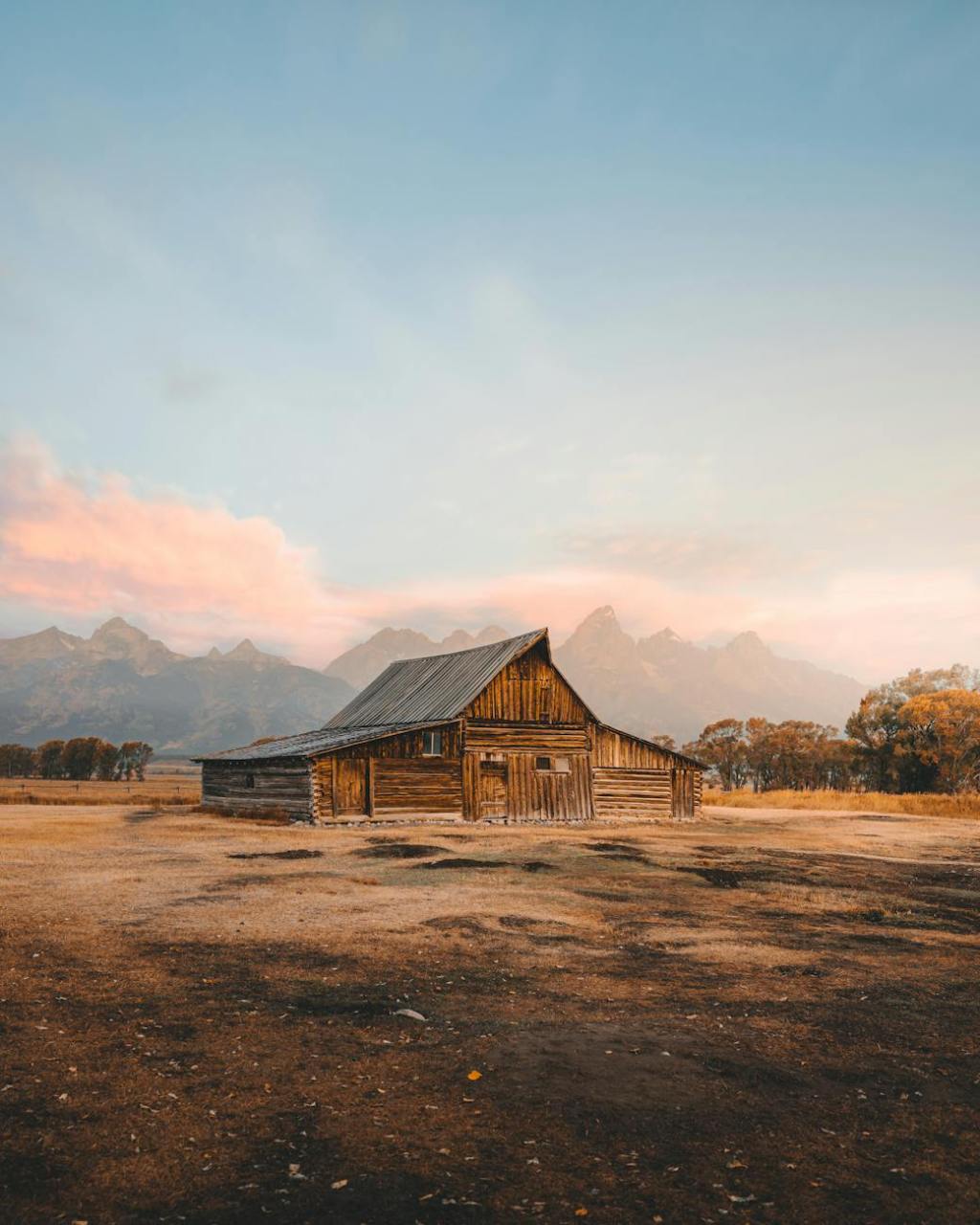
I still remember the first time I ran my hand along the weathered handle of my great-grandfather’s branding iron. It was tucked away in the back of our old barn, next to a rusted horseshoe and a cast iron kettle that had outlived most of the buildings on the property. I must have been eight or nine, but even then, I felt it—the weight of history, of grit, of survival.
For my family, the Wild West wasn’t just something we read about in books. It was in our blood. My great-grandparents homesteaded on the edge of the plains, raising cattle, growing what they could, and building their home (literally) from the ground up. That life required self-reliance, a good dose of stubbornness, and an unshakable belief that you could make something out of nothing.
And let me tell you—those values? They’ve never left me.

More Than Dust and Spurs
The Wild West is often romanticized as a place full of wide-open skies and dusty saloons (and I’ll admit, I love the aesthetic). But what really speaks to me is the mindset. It was a way of life built around doing things yourself, using what you had, and taking pride in your work—whether it was cutting down lodgepole pines to create fence posts, sewing your children’s clothes by hand, or hammering out horseshoes in a backyard forge.
That spirit of rugged utility and artistry is what sparked my love for natural living. As a little girl, I was fascinated by how much beauty was born out of necessity. The tools they used weren’t just functional—they were often beautiful. Wrought iron hardware, hand-carved handles, homespun linens. Every item had a job and a story.
How Blacksmithing Shaped Frontier Life
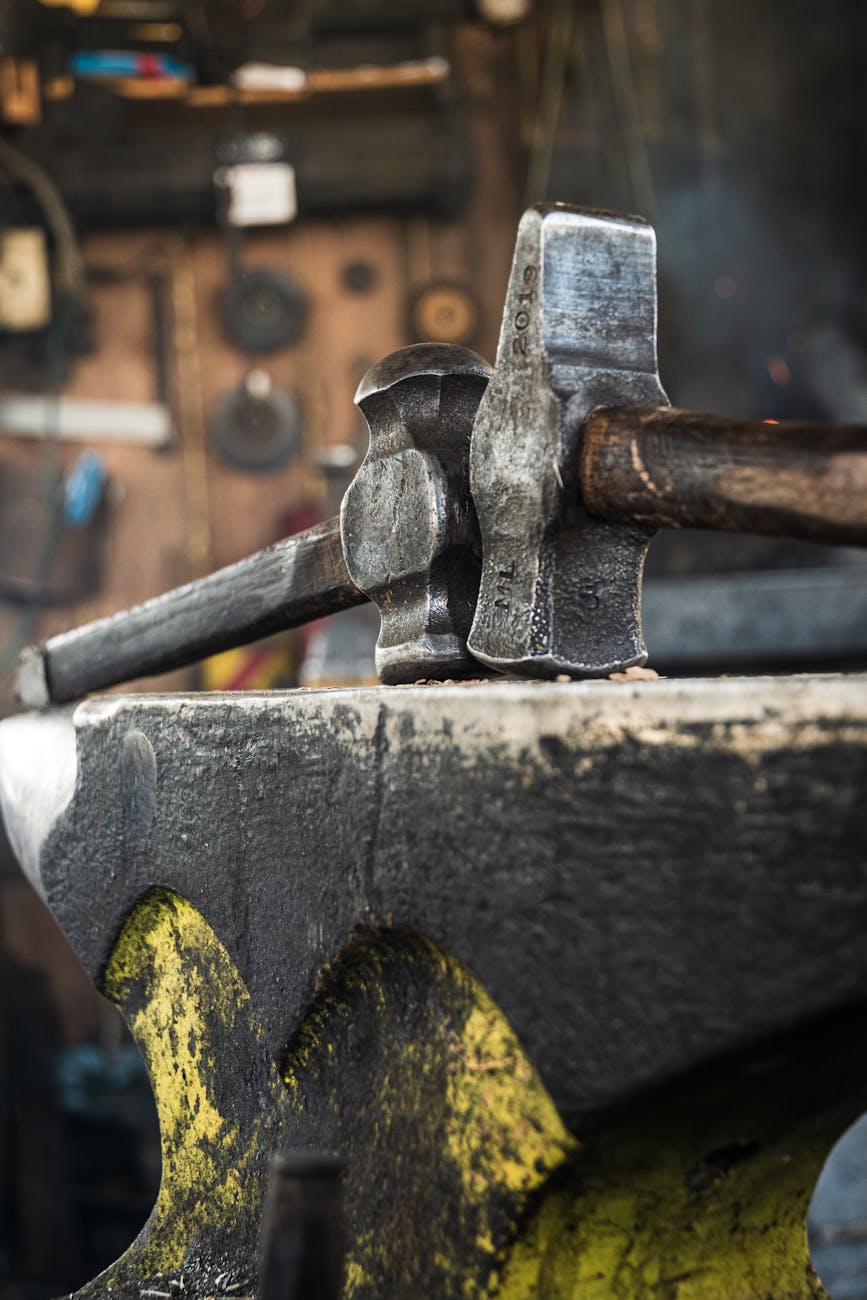
One of my favorite parts of Old West history is blacksmithing. If you know me, you know I geek out over old tools, nails, hinges—you name it. The fascination isn’t just ancestral for me, (my great-grandfather forged nearly every tool he ever used!) blacksmiths were the backbone of all frontier communities. Without them, you didn’t have wagon wheels, cooking grates, hinges, hooks, or horseshoes. They literally forged the survival of the homestead.
If you’ve never read it, Old West Iron has this beautiful piece on the history of blacksmithing in the Old West. It’s one of my favorite sources when I want a deep dive into how things were done back then—not just how they looked, but why they were made that way. It reminds me that craftsmanship wasn’t about decoration—it was about dependability. If it broke, it could cost you your winter food source or the stability of your home. If it held, it might save your life.

How Those Values Shape the Modern Frontier
Today, I live a little differently than my great-grandparents did, but the heart of it is the same. I still grow much of what we eat, I mend instead of replace, and I’ve got a house full of handmade things that weren’t bought on a whim, but chosen with care.
The Modern Frontier, to me, is about applying those same values in a world that’s lost touch with them. It’s about:
- Building with purpose
- Living close to the land
- Growing, raising, or creating as much as you need
- Learning skills that connect you to your past
- And surrounding yourself with objects and people that carry meaning
Whether I’m brewing up calendula oil in the kitchen, sanding a reclaimed wood bench, or installing a set of forged iron cabinet pulls (yes, from Old West Iron!), I do it with the same sense of pride I imagine my great-grandma felt sewing her first quilt by lantern light.

Living Wild & Rooted
So no, the Wild West isn’t just something behind us. For some of us, it’s still how we live.
Living wild and rooted means honoring the old ways, staying grounded in what’s real, and forging ahead with grit and grace. It means choosing depth over distraction and substance over surface.
Whether you’re just dipping your toes into this lifestyle or you’ve been riding this trail for years, I’m glad you’re here. We’re building something that lasts—not just in the things we make, but in the way we live.
See you on the trail,
Jenny

 WILD WEST TOPOS
Leave a comment