By Jenny Barnett
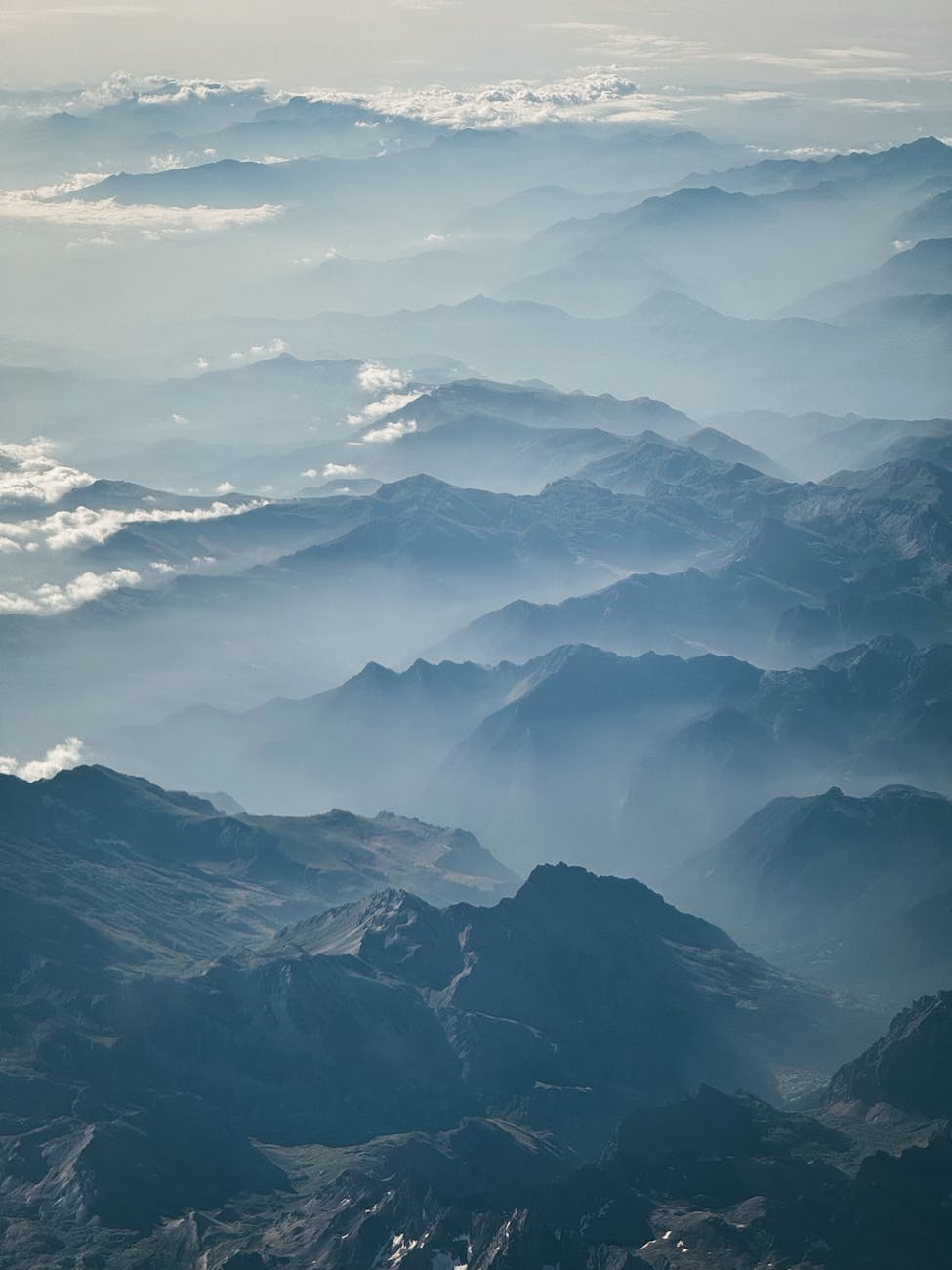
Some people see a map and think of directions. I see a story, one etched in ridgelines and valleys, rises and ravines. When I look at a topographic map, especially of places I know in my bones, something quiet but powerful stirs in me. It’s like reading a journal written by the land itself.
Because here’s the truth: the land holds memory. And a topographic map? That’s not just geography. That’s legacy.

The Land That Raised Us
I grew up chasing cattle through sagebrush flats and standing barefoot in irrigation ditches, watching dust rise off the hills in the heat of the day. Every rock, every draw, every steep incline meant something. It was where we built fences. Where my brother broke his collarbone on a four-wheeler. Where the deer always ran at dusk. It was more than landscape, it was ours.
When my family passed down stories, they weren’t always about people—they were about places. The bluff where my grandfather carved our initials into a cedar tree. The gully where my mom used to pick wild mint. The ridgeline that guided my great-grandpa home when storms rolled in.
Those places shaped us. They grounded us. And in a world moving faster every day, they’re what keep me rooted.
Topography as a Spiritual Language
There’s something sacred about the way topographic maps preserve not just the look of the land, but its essence. Unlike street maps or satellite images, topo maps read like poetry, lines tracing the soul of the earth. They capture what can’t be paved over or pixelated: elevation, rhythm, silence.
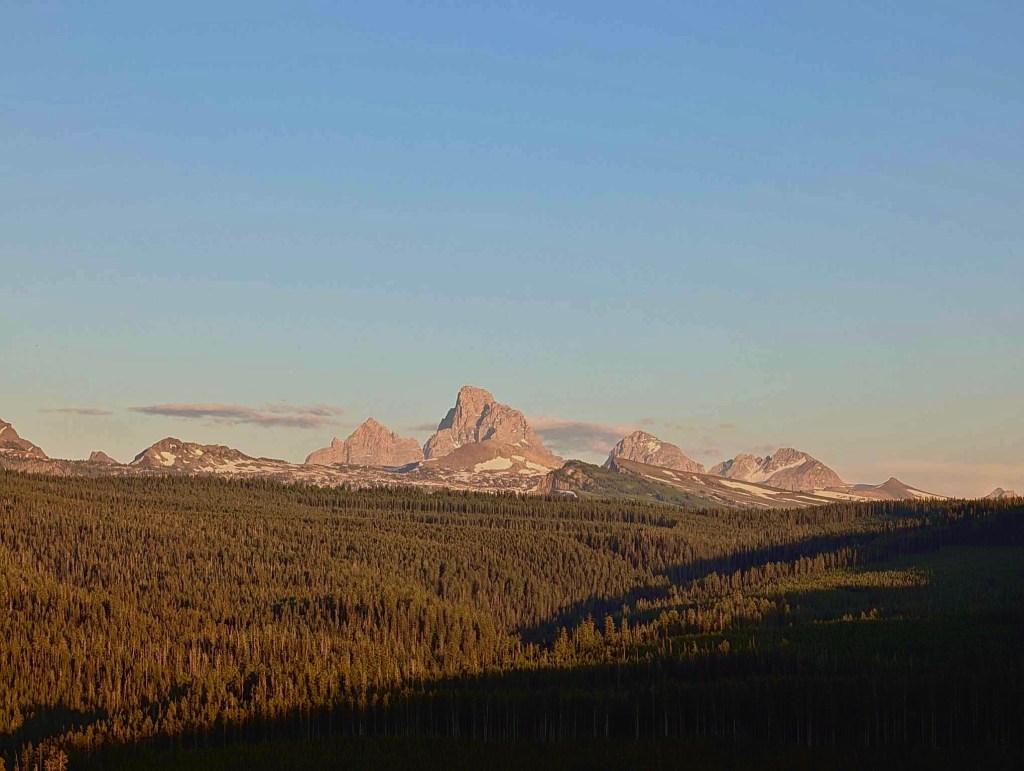
When I hang a map of Buffalo Bluff or the Tetons in my home, it’s not just décor, it’s a reminder. A reminder of where I come from, what shaped me, and where I find my footing. It’s not about nostalgia, it’s about connection.
Honoring Place Through Art & Heirlooms
For those of us living the Modern Frontier lifestyle, decorating our homes isn’t about trends, it’s about meaning. A topographic print. A handmade bench from salvaged barn wood. A custom sign forged in iron that names the homestead or cabin that’s become your sacred ground.
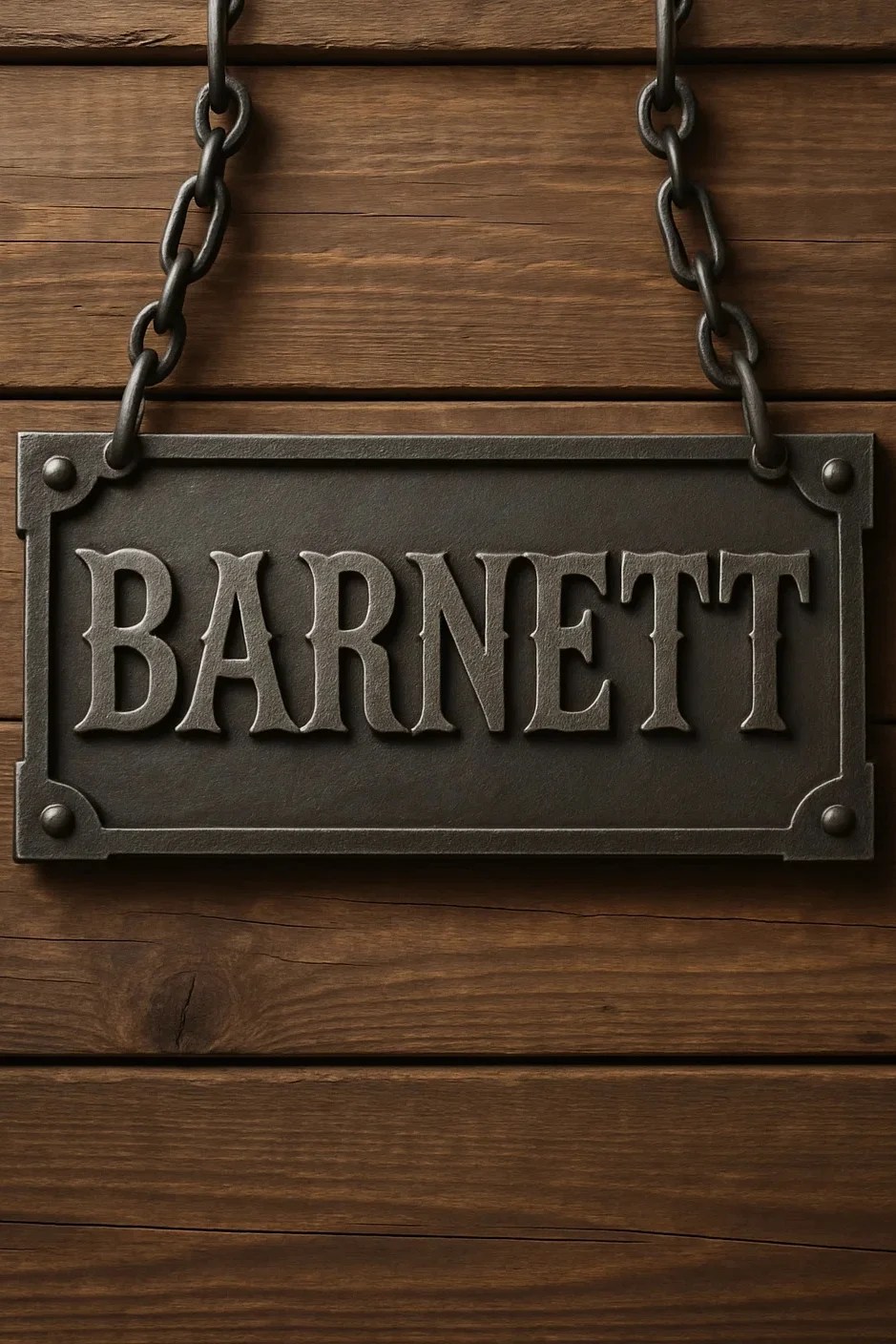
I have a piece from Old West Iron that hangs by our entryway, a custom-forged sign with our family name and a silhouette of our ridgeline. It’s not just beautiful, it’s a part of our story. Their heirloom-quality work reminds me that craftsmanship, like land, is something worth preserving.
Mapping Your Own Meaning
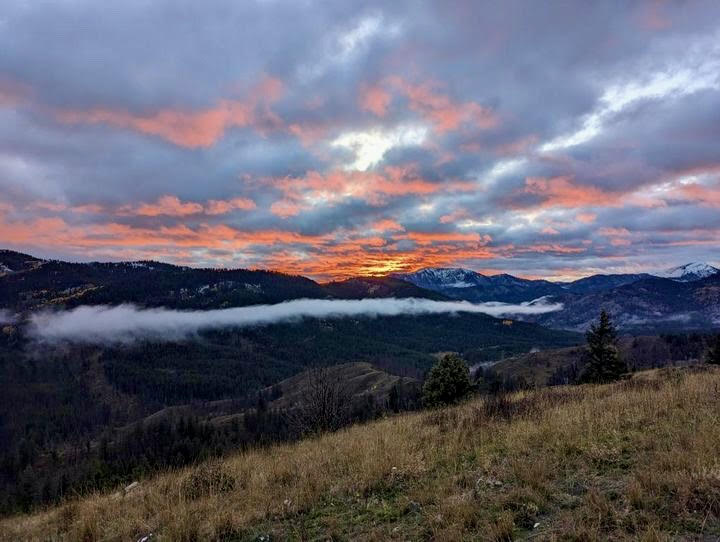
Maybe for you, the meaningful place is a backcountry trail. A childhood ranch. The hill where you first saw the sunrise with someone you love. Whatever it is, map it. Honor it. Let it shape your home, your rituals, your sense of place.
Because the Modern Frontier isn’t just about going back to the land, it’s about remembering why it mattered in the first place.
So trace the lines. Hang the map. Name the land.
And remember: you don’t have to live on the edge of a canyon to live deeply rooted. You just have to know where your story begins.
Stay wild, stay rooted,
Jenny

 WILD WEST TOPOS
Leave a comment