by Jenny Barnett
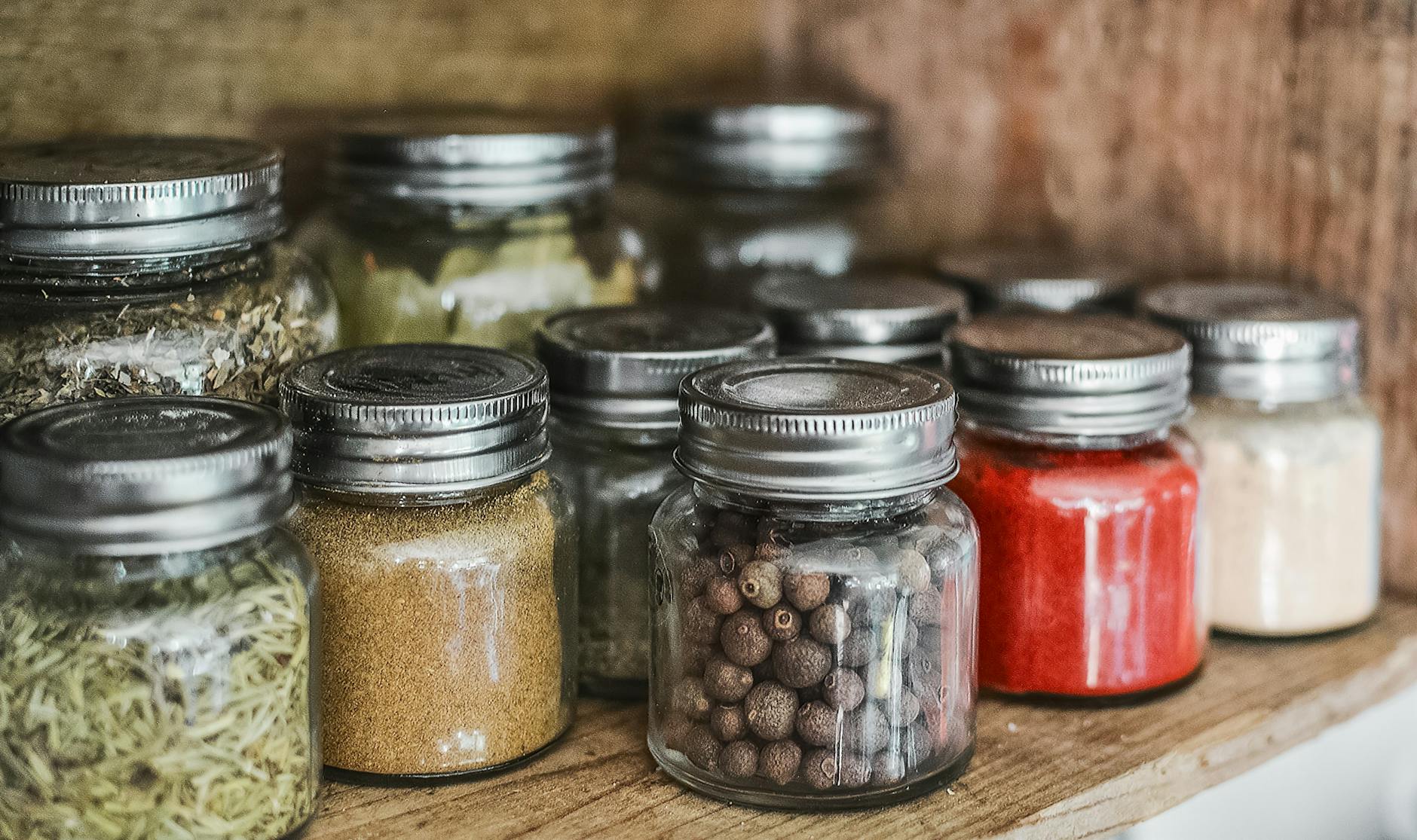
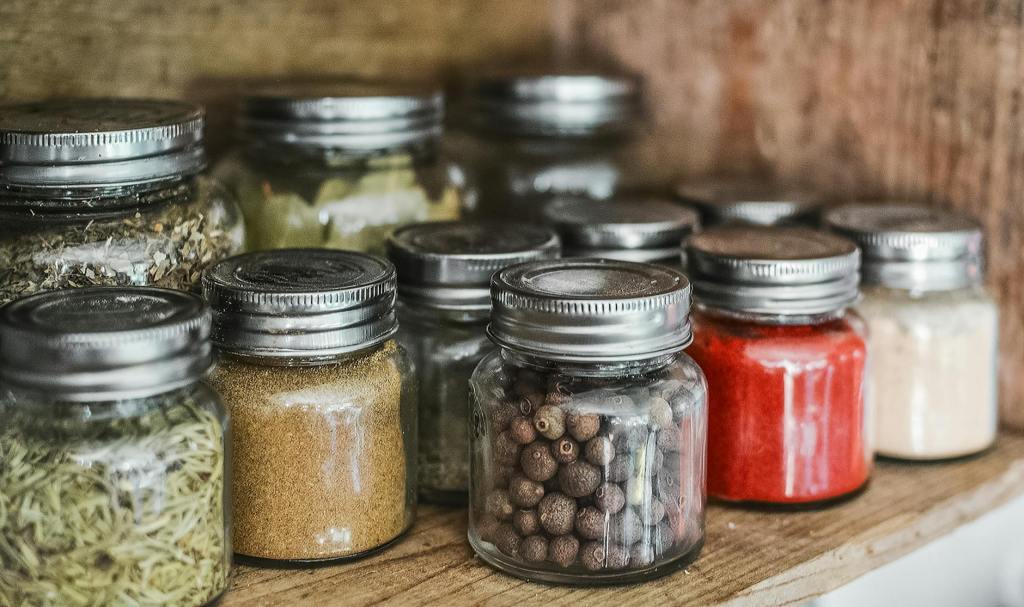
Out here, we preserve more than food.
We preserve rhythm, tradition, and the quiet pride that comes from living a season ahead.
Food preservation isn’t just an old-world skill, it’s a modern act of sovereignty.
It says: I know what’s in my jars. I know what’s feeding my family. And I’m ready, even if the shelves at the store run bare.
From root cellars to chest freezers, this guide will walk you through the how, the why, and the tools to keep your harvest (or your haul from the farmer’s market) working for you all year long.
A Quick History: Preservation Before Plastics
Before refrigeration, folks relied on ingenuity and seasonality:
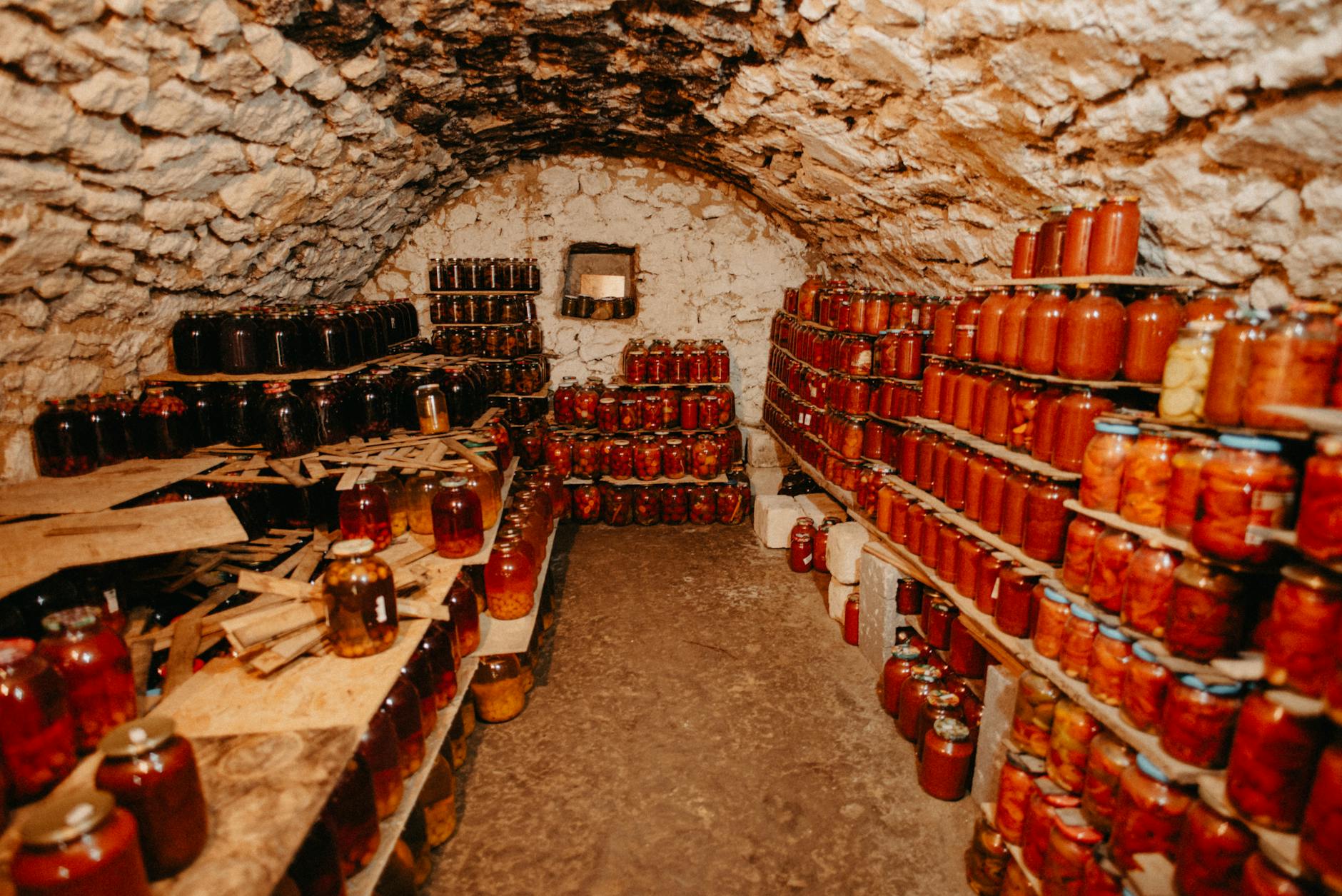
- Root cellars cooled produce with earth temperature
- Salting and smoking kept meat through the long cold
- Fermentation kept cabbage crunchy and safe well into winter
- Drying turned apples into snacks, and herbs into winter medicine
These weren’t quaint hobbies. They were survival strategies. And they’re just as relevant today, especially if you care about resilience, food quality, or keeping your grocery bill down.

Canning: Boil, Seal, Store
Water bath canning is best for:
- Jams, jellies, fruit preserves
- Pickles and salsas with high acidity
- Tomato sauce (with added lemon juice or vinegar)
Pressure canning is needed for:
- Low-acid vegetables (like green beans or corn)
- Meat and bone broth
- Shelf-stable meals (soups, stews, chili)
Jenny’s tip: Start small. Pick one jam and one pickle. Build confidence with a single season’s fruit and a kettle before you upgrade to a pressure canner.
Fermenting: Bubbling with Life
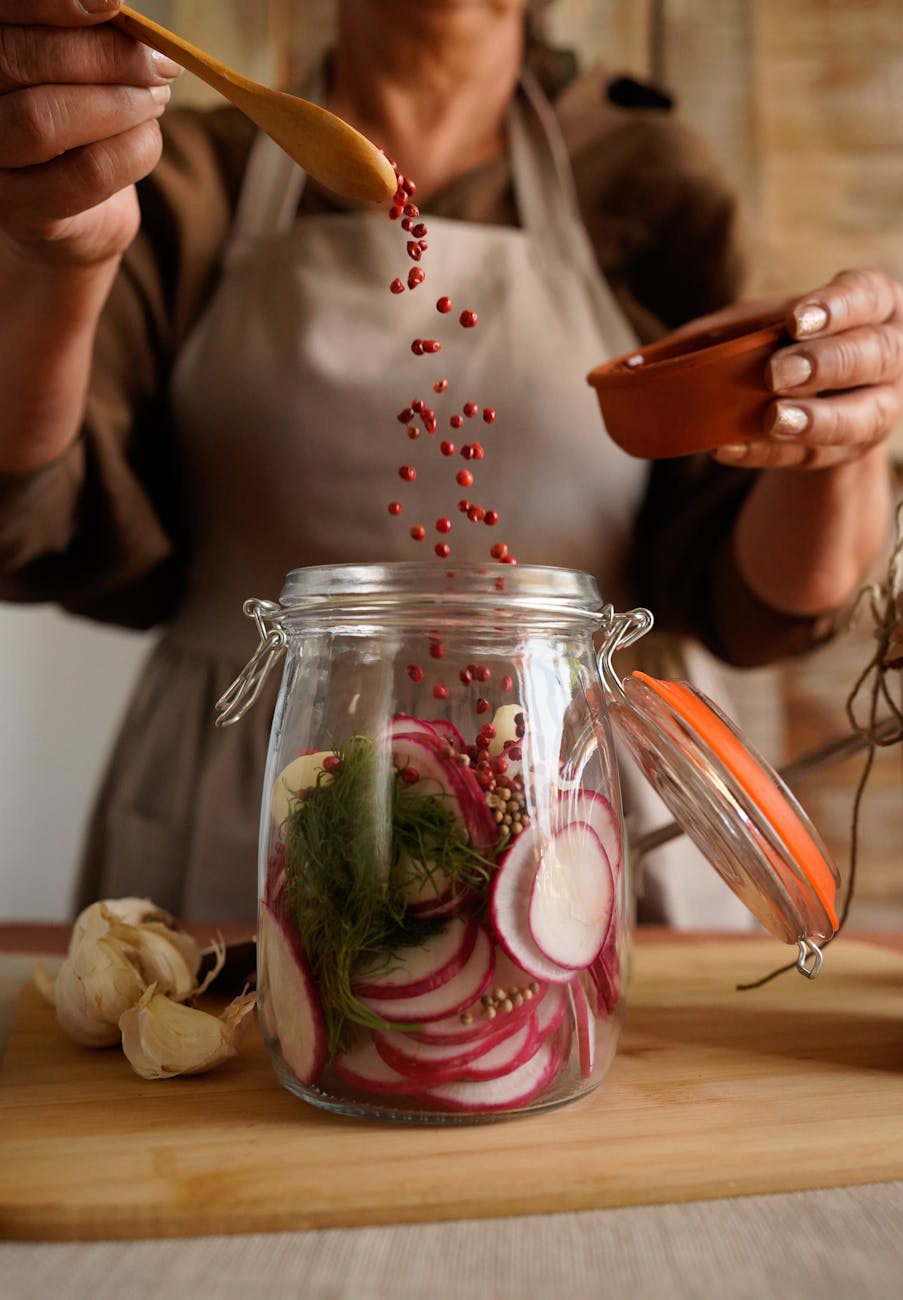
Lacto-fermentation creates living foods full of probiotics, flavor, and tradition. All you need is:
- A clean jar
- Salt (non-iodized)
- Water
- Veggies (cabbage, carrots, garlic, beets — you name it)
Cover the veggies with brine, weigh them down, and let time do the work. No boiling, no sealing. Just patience and practice.
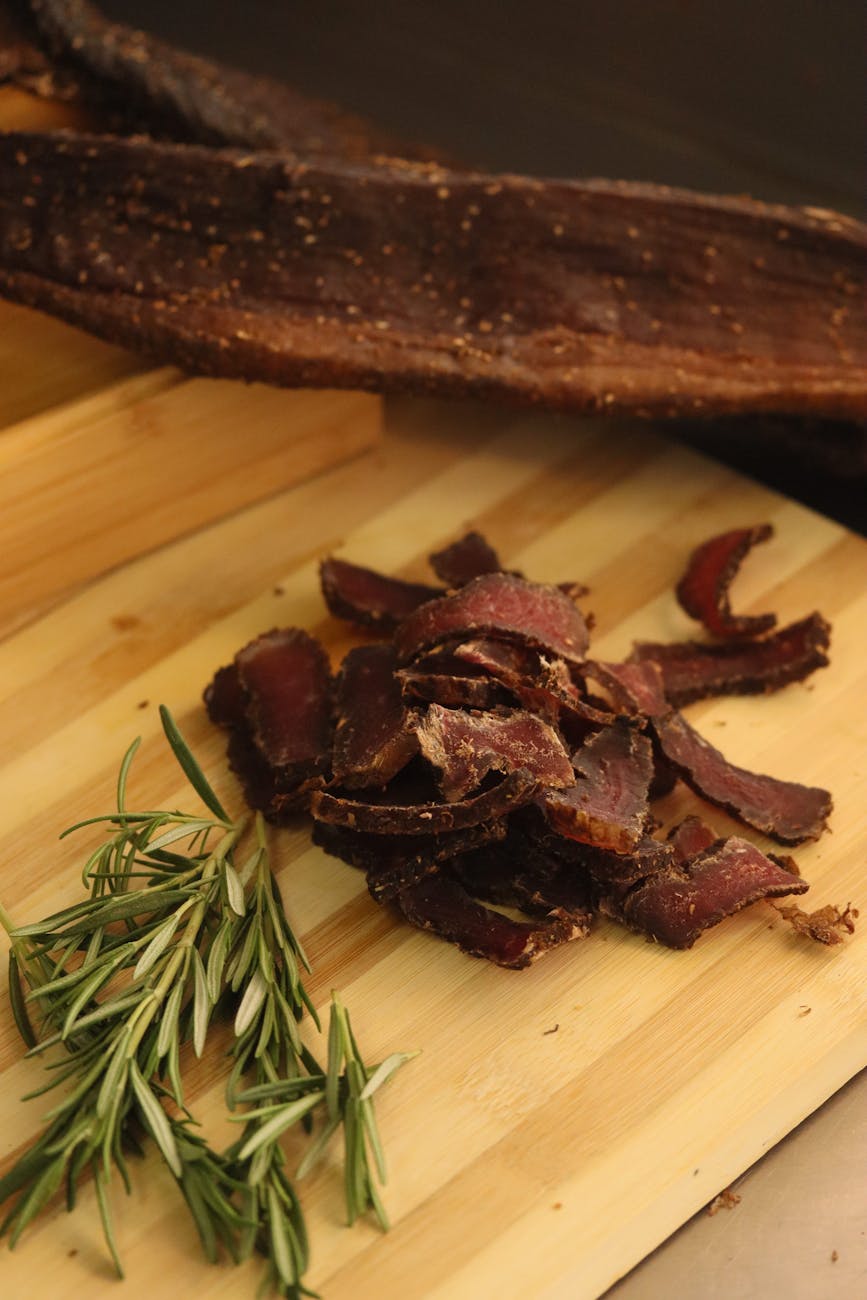
Drying & Dehydrating
Traditional drying:
- Use screens in the sun (covered with mesh to keep critters off)
- Hang herbs upside down in bundles in a cool, dark space
Modern dehydrating:
- Use a countertop dehydrator for fruit, jerky, veggie chips
- Low oven drying also works in a pinch — 135–160°F with airflow
Freeze-drying (if you’ve got the tools):
- Excellent for long-term storage
- Preserves texture and nutrients
- Best for high-moisture foods like berries, greens, and cooked meals
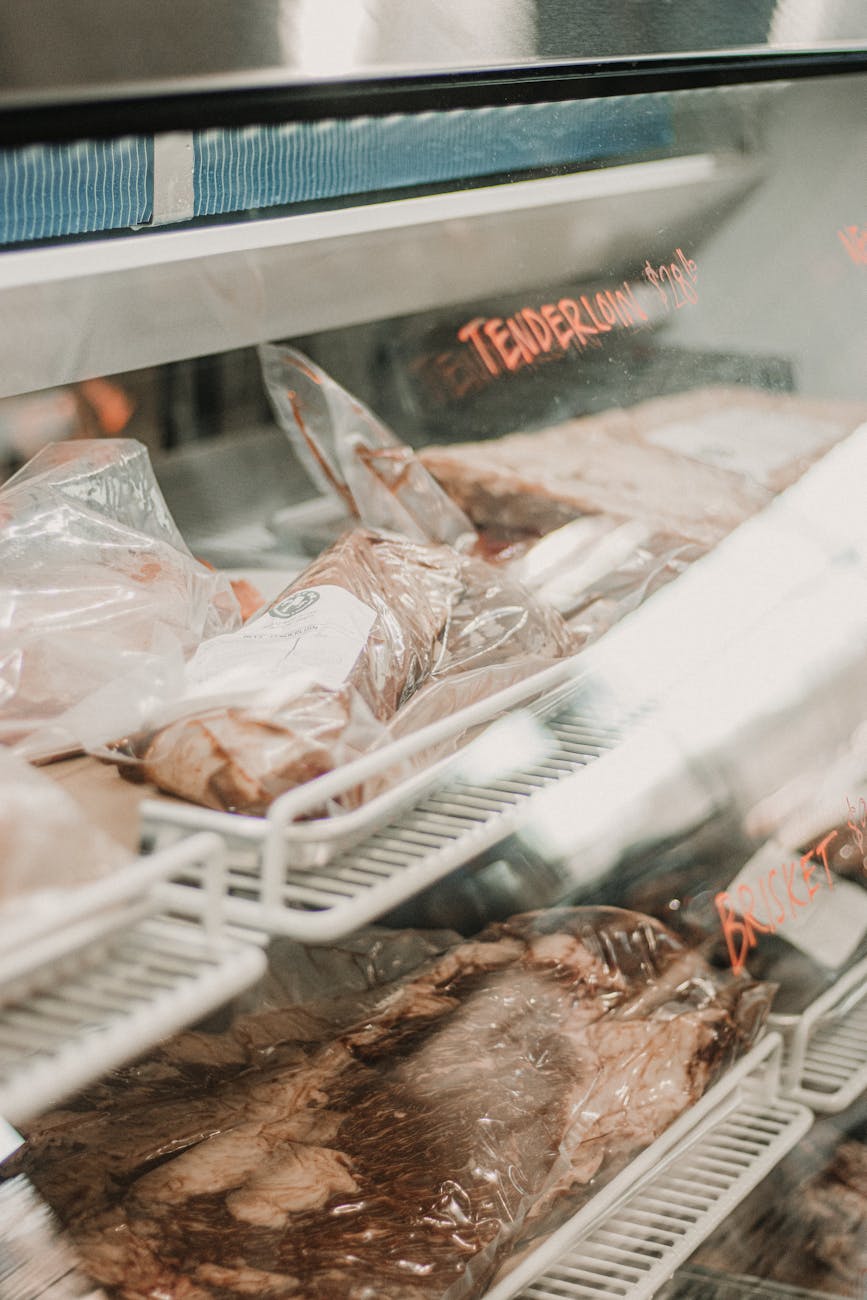
Freezing & Vacuum Sealing
Freezing is the simplest entry point into preservation.
- Freeze chopped produce on parchment before bagging
- Vacuum seal meats, berries, broth, or entire meals
- Label everything with date and content — your future self will thank you
Pro tip: Invest in a vacuum sealer and reusable freezer trays or silicone bags. You’ll reduce waste and increase shelf life without sacrificing space.
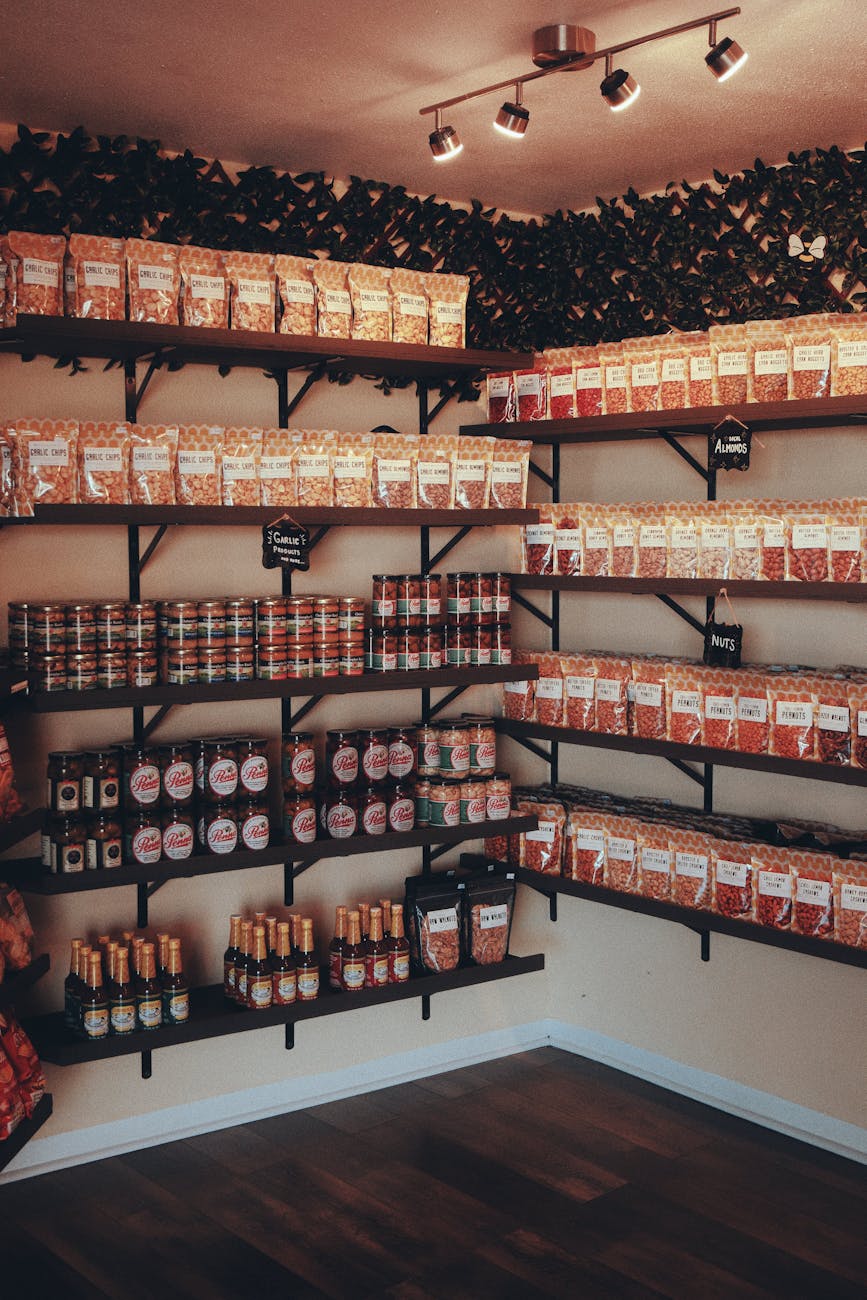
Organizing Your Pantry & Cellar
A preserved harvest isn’t helpful if you can’t find it or forgot you had it.
Here’s how we keep ours in check:
- Rotate oldest to the front
- Group by type: meals, veg, fruit, condiments, broth
- Label clearly with content + date
- Track inventory with a pantry log
- Dedicate space for “quick use” jars (open or near expiration)
- Store in a cool, dark, dry area — root cellar or basement ideal, but a pantry with a door will do

Why It Still Matters
Preserving your own food gives you:
- Control over ingredients and quality
- Freedom from supply chain chaos
- Connection to the land, the seasons, and your own hands
- Peace of mind when the weather turns or the power flickers
In a world that runs on waste and convenience, food preservation is a quiet act of resistance. It’s a way of saying: I can take care of mine. I can plan ahead. I can thrive, not just survive.
Download: Jenny’s Quick-Start Food Preservation Log
Track what you’ve canned, dried, frozen, and stored with room for dates and inventory.
Perfect for homestead pantries, urban cabinets, or a single well-stocked shelf.
Click here to download the printable log + starter checklist
From cellar to table, preservation is more than a skill.
It’s a legacy, and one well worth learning.
— Jenny

 WILD WEST TOPOS
Leave a comment