
by Jenny Barnett
Out the window, the last leaves spiral down.
Branches go bare.
The garden is quiet.
And inside, I turn to the pantry. Not out of panic, but of practice.
There’s a comfort in knowing your shelves are full when the fields are not.
It’s not just about survival. It’s about ritual.
Restocking your winter pantry is a rhythm, an act of rooted living that ties you to the past, the land, and your own two hands.
Here’s how I prepare my pantry for the season when snow piles up and days grow long and dark.
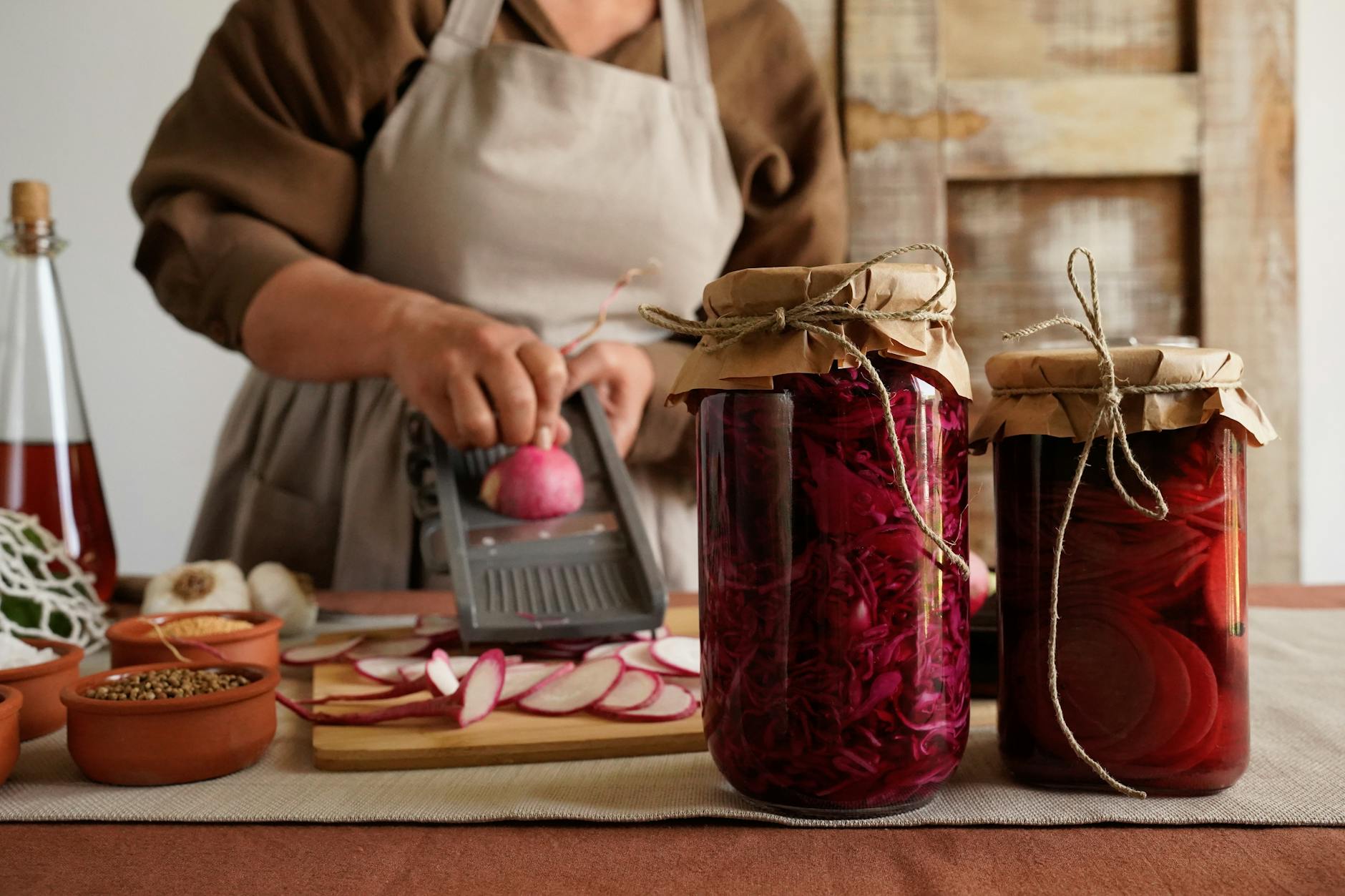
1. Rotate, Refill, Reorganize
Before adding new stock, clear out the old.
- Check dates and conditions on bulk goods like flour, oats, beans, and herbs
- Repackage anything vulnerable (like sugars or flours) into airtight containers
- Wipe down shelves, remove cobwebs, and sweep out the corners; pantry mice love a cozy bin of forgotten rice
- Make note of what you actually used last winter versus what sat untouched
This is a moment to reset not just your storage, but your sense of what sustains you.
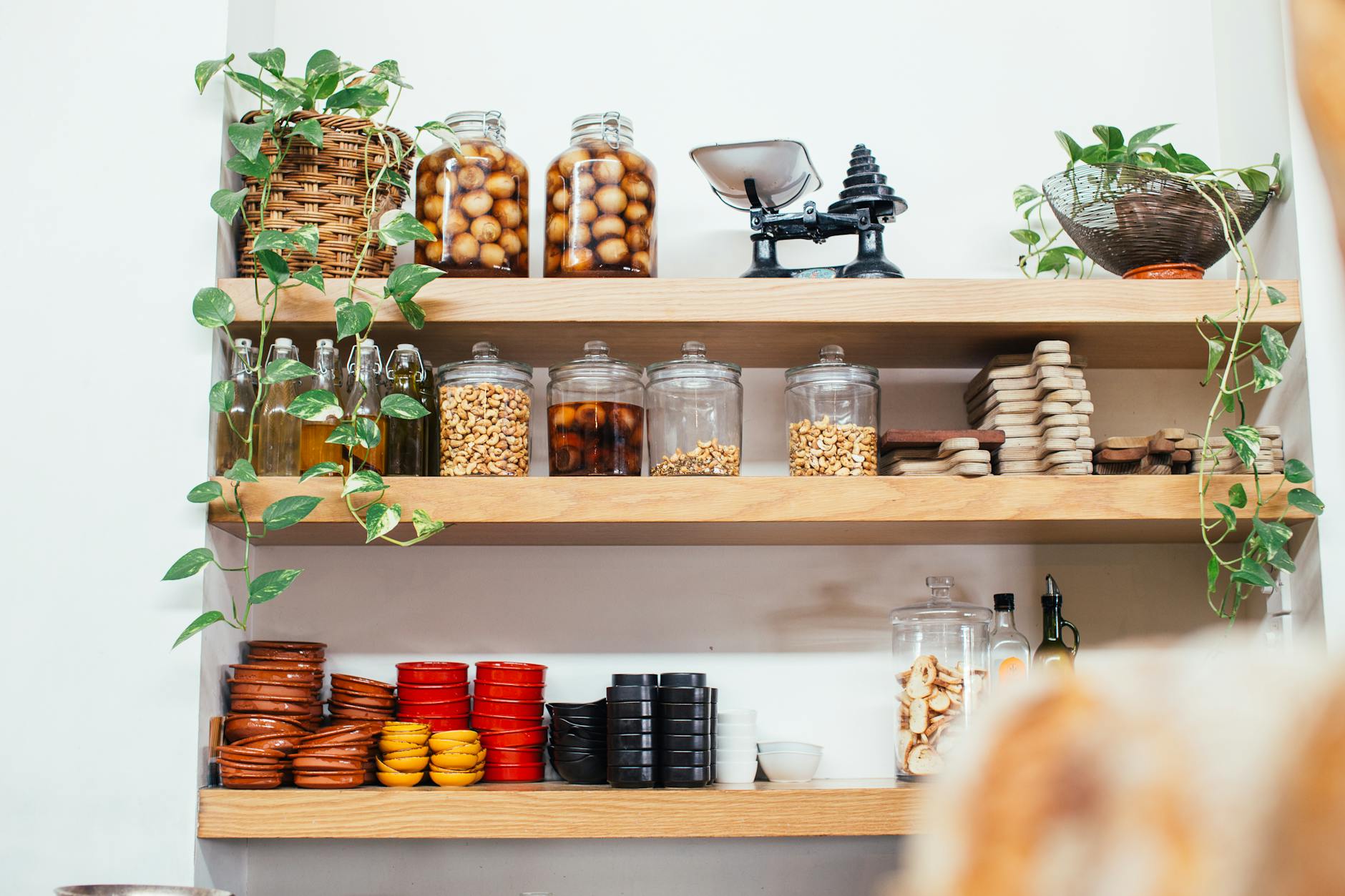
2. Build Your Deep Winter Shelf
I like to set aside one shelf that’s not just practical but nurturing. This is the shelf I reach for when I’m under the weather, dragging from the cold, or craving something comforting.
What’s on mine:
- Ferments: home-pickled kraut, ginger carrots, brined garlic
- Broth makers: dried mushrooms, bay leaves, peppercorns, dried celery leaf
➤ Try this ancient bone broth recipe to kick off the season - Herbal teas: like Golden Fire Ginger for sore throats and sluggish mornings
- Honey, lemon, elderberry syrup, and garlic confit in olive oil
- Cough tinctures and salves I mix myself or order from trusted herbalists
- A jar of dark chocolate chips, because…winter
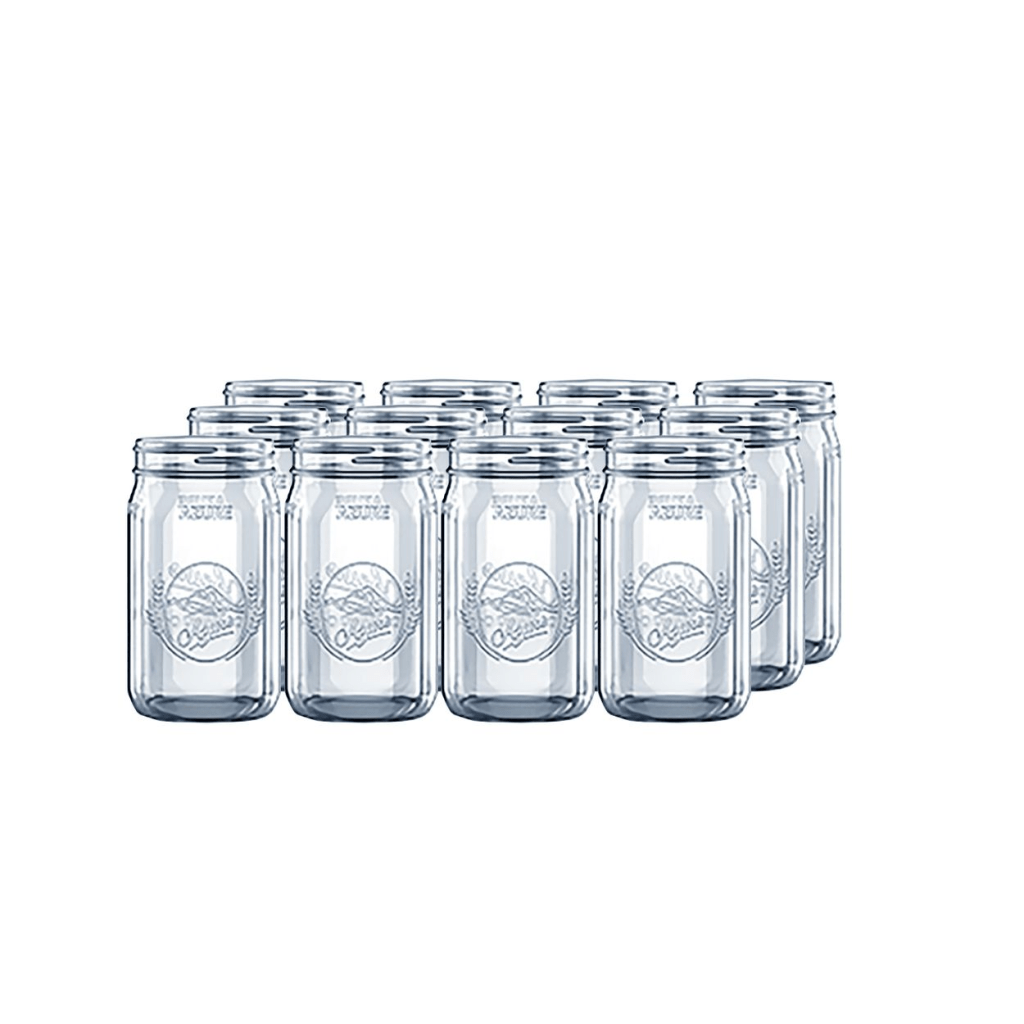
3. Store It Like You Mean It
A well-stocked pantry is beautiful in its own right.
Use:
- Azure Standard mason jars for herbs, grains, legumes, and tea blends. Glass jars are easy to label and see
- Copper countertop canisters for dry goods like flour, sugar, or cornmeal (a little shine never hurts)
- Woven baskets for root vegetables
- A chalkboard wall, magnetic whiteboard, or old notebook nearby for inventory and meal ideas
Tip: Label jars with the date they were filled and the season’s name: “Autumn 2025” feels more grounded than a generic “Use By.”
4. Make It a Monthly Check-In
Winter pantry care doesn’t stop with stocking.
Each month, do a 10-minute audit:
- What needs replenishing?
- What’s been overlooked?
- What would make meals easier next month?
A pantry isn’t just for storing food. It’s for storing peace of mind.

Let the Land Rest, Let Yourself Be Ready
Nature’s quieting down, and so can you.
But that doesn’t mean you’re unprepared.
A well-loved pantry is like a deep breath.
It says: “We’re okay. We have enough. We’ve done the work.”
So when the bare branches scratch against the window and the sun sets by five, you’ll have what you need right there on the shelf.
— Jenny

 WILD WEST TOPOS
Leave a comment