By Jenny Barnett
As the snow settles into the fields and the sun tucks in early, the season calls for one thing above all: warmth that lasts.
But not just any warmth. Warmth that breathes, insulates, and tells a story woven into wool coats, stitched into linen petticoats, and handed down in the form of handmade scarves or well-worn mittens.
In a world overrun by synthetic blends and throwaway fashion, dressing for real cold is a return to natural fibers, traditional weaves, and pieces made with love (or at least intention).
Here’s how we layer up with meaning, function, and frontier heart.
Why Natural Fibers Still Matter
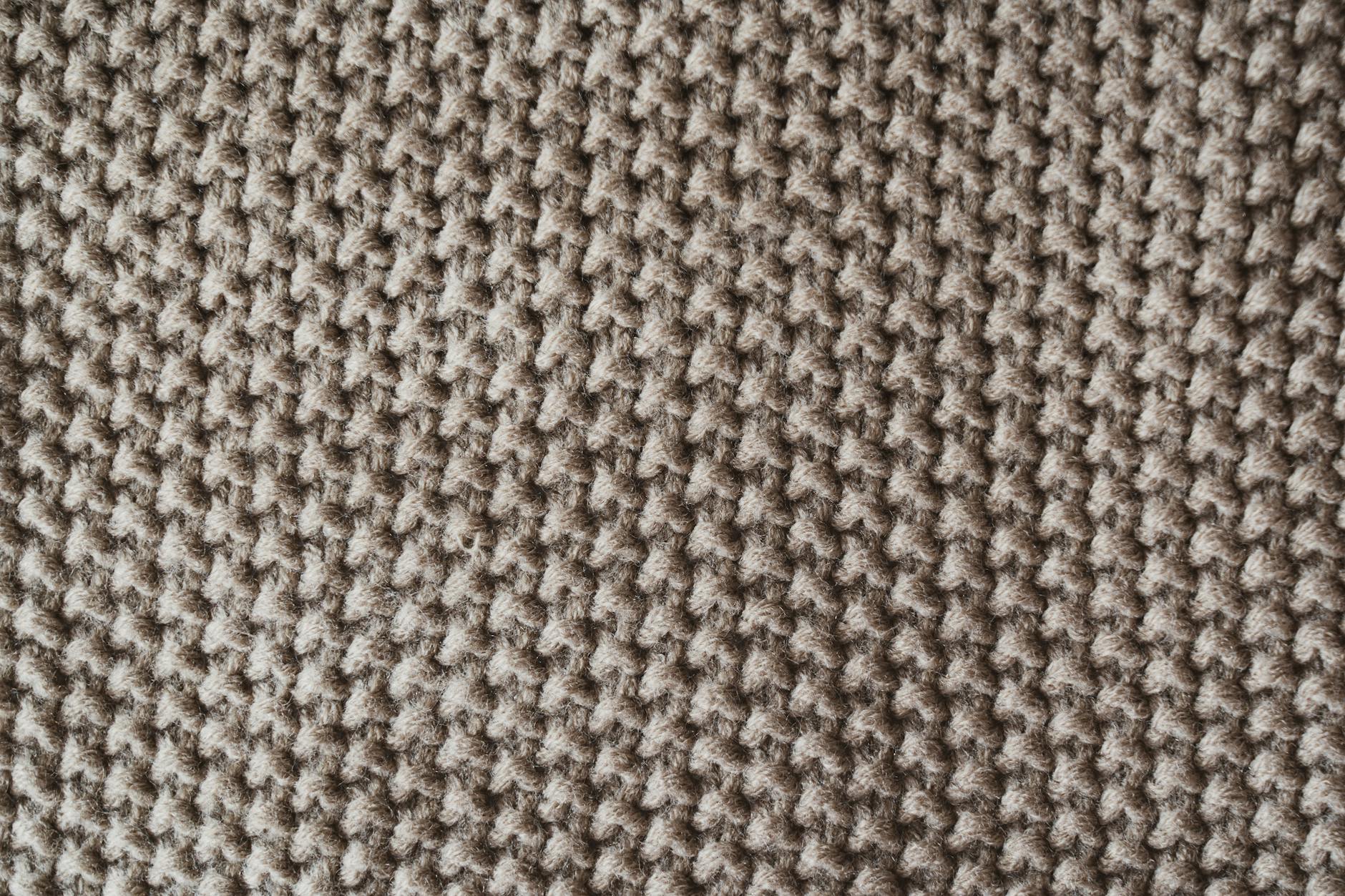
Wool, linen, flannel, thermal cotton. They’ve stood the test of time for a reason:
- Wool insulates even when wet, resists odors, and lasts for decades when properly cared for.
- Linen breathes well and layers beautifully under knits.
- Flannel is soft, cozy, and durable, perfect for base or mid-layers.
- Cotton thermals wick moisture while staying breathable for indoor chores or outdoor labor.
These materials don’t just keep you warm, they connect you to the seasons and the land, much like a home-cooked meal or hand-forged hook.

What to Look For
The best pieces are made slow, not mass-produced. Here’s what I reach for each winter:
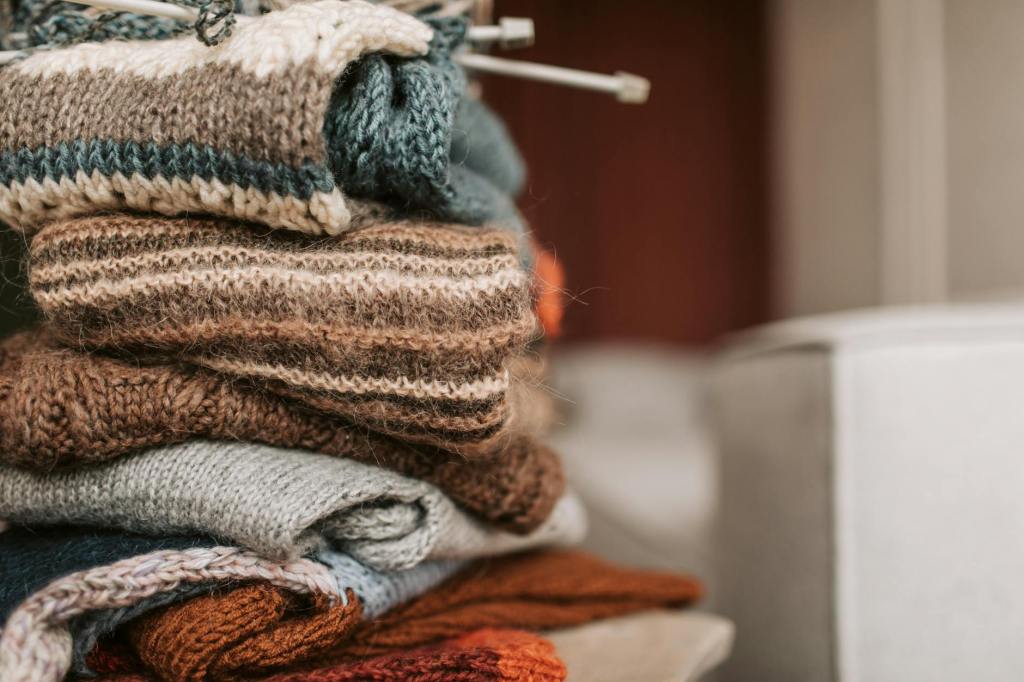
- A handmade wool coat with a deep hood and sturdy buttons
Etsy Wool Coat for Women - A waterproof canvas work jacket to tough out cold, wet chores
- Knit scarves with thoughtful textures and rustic charm
- Wool socks and mittens thick enough for chores, soft enough for fireside reading
- Lined flannel skirts or trousers moveable, washable, and practical
- Hand-pieced quilted vests or aprons for warmth indoors
- Insulated leather boots to keep feet warm and dry and ankles stable on ice and snow
You don’t need dozens of pieces. Just a few you can wear again and again.
Wool Wisdom: How to Care for It
High-quality wool is an investment. Treat it right and it will last decades.
Read up on:
How to Wash and Store Wool Properly
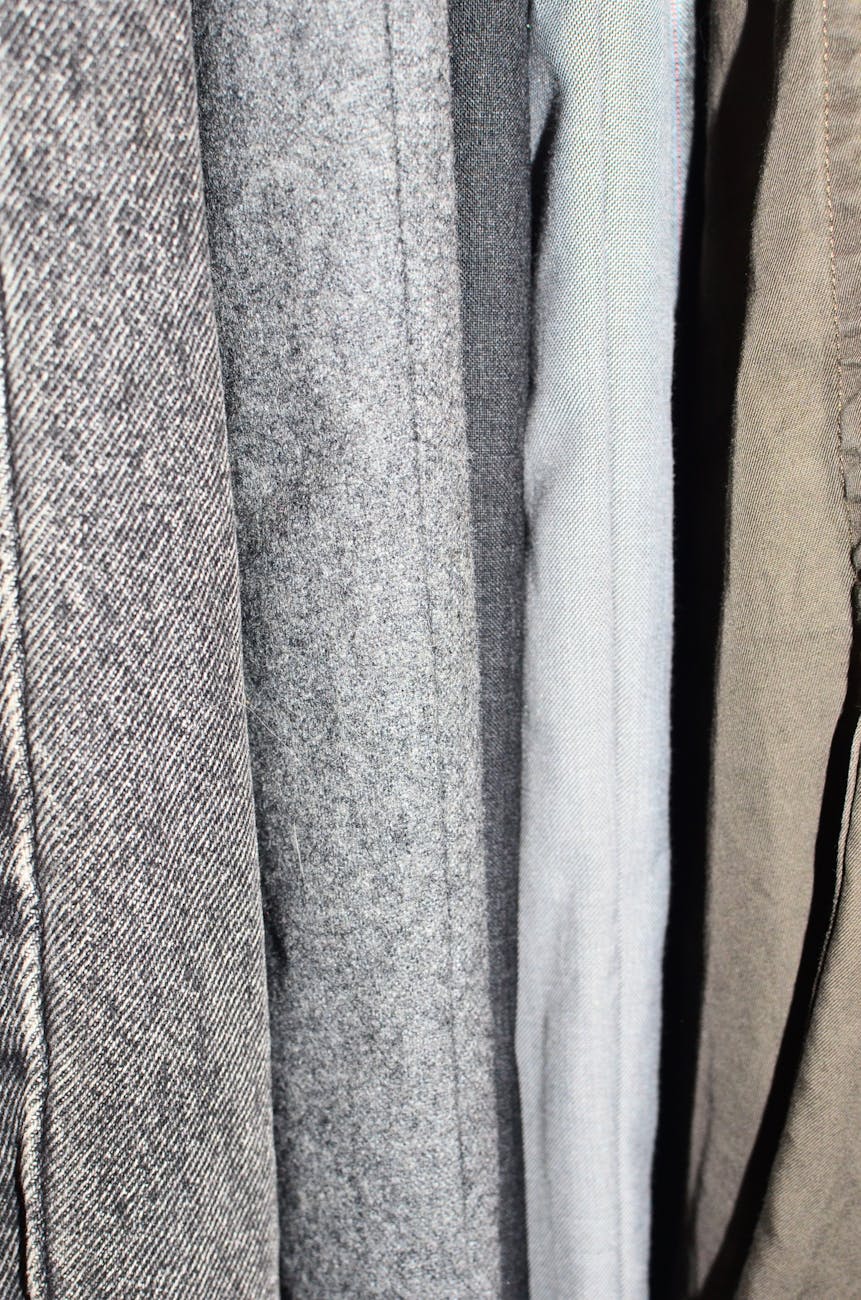
Spot good wool by looking for:
- Tight, consistent weave
- Clean edges and quality stitching
- Weight without bulk
Not sure what you’re buying?
How to Spot High-Quality Wool
Where to Find It, Even in the Middle of Nowhere
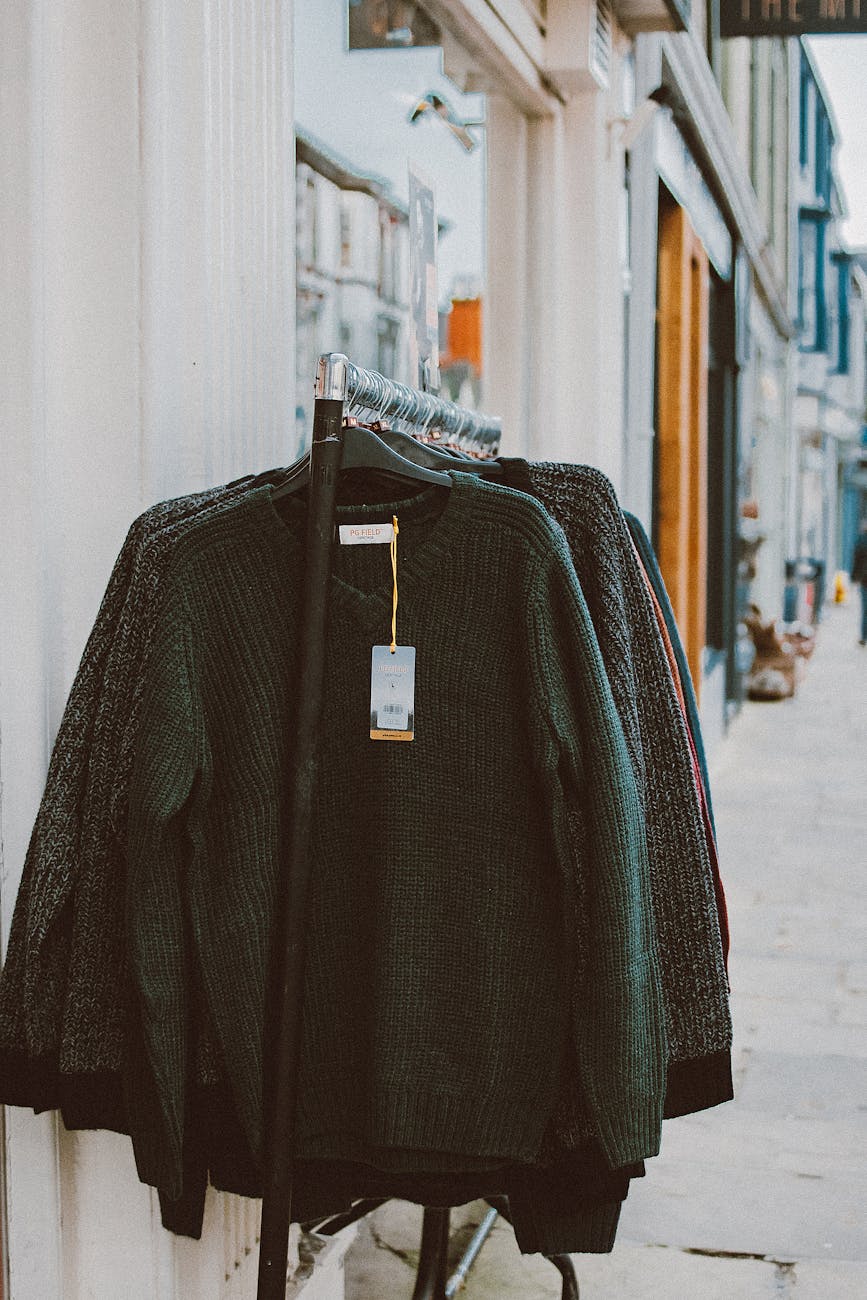
If your local shops are more feed store than fiber arts, try these places for a bigger variety of sustainable, secondhand, or artisan-made clothing:
- Poshmark
- ThredUp
- Depop
- Etsy look for wool, linen, handmade, vintage
- Your local feed store, consignment shop, thrift store, or community makers
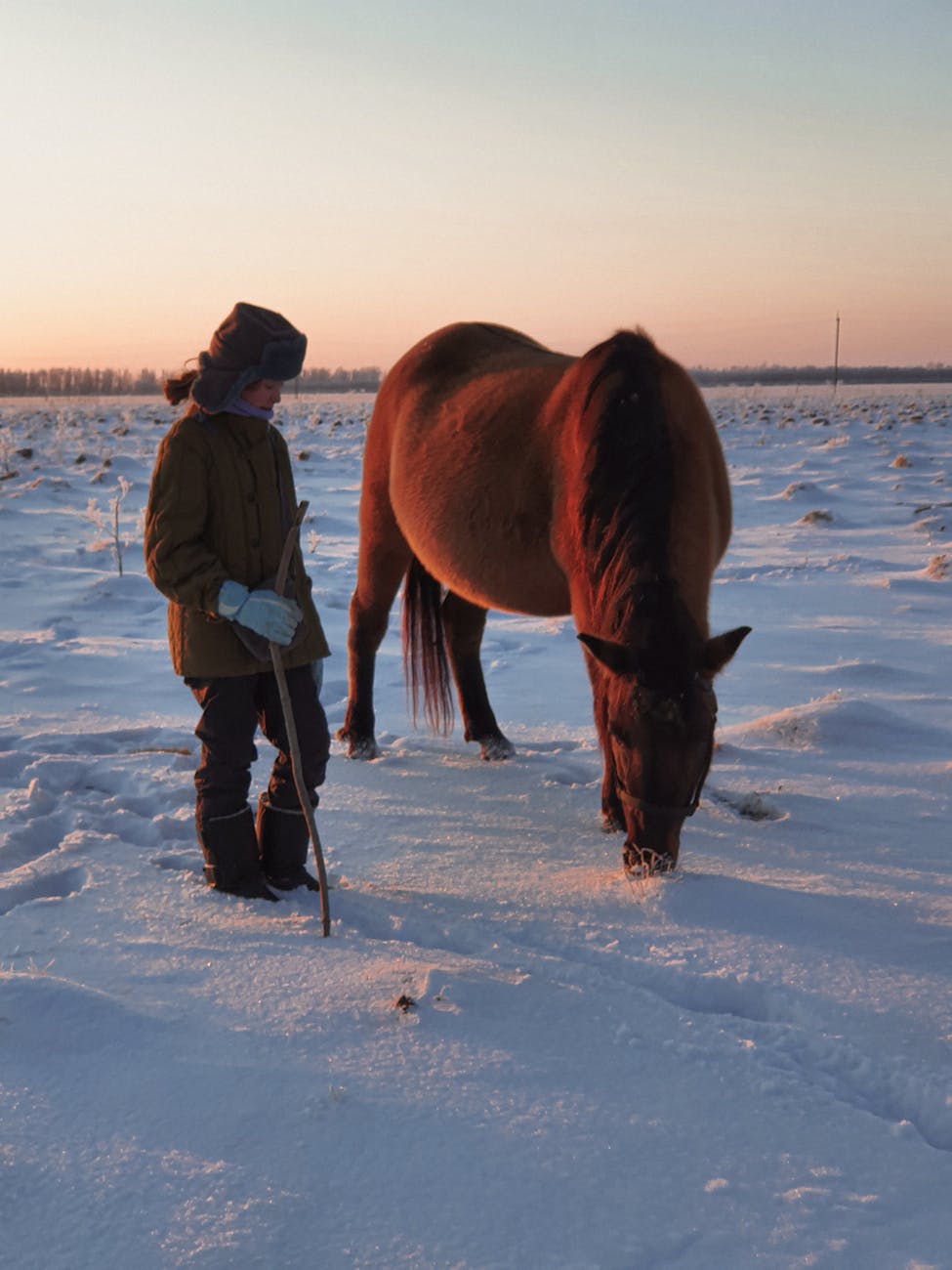
Dress Like You Mean It
On this homestead, clothes are more than what you wear.
They’re what you work in, cook in, chop wood in, hold babies in, and stand by the fire in.
So choose layers that last, that breathe, and that feel like you.
Because being layered in love isn’t just a style, it’s a way of living.
See you out there in your mittens,
—Jenny

 WILD WEST TOPOS
Leave a comment