
While the holidays swirl with motion: packages, baking, guests, glowing lights, but the solstice invites something different. Something quieter. Something older.
December 21st marks the longest night of the year, and for centuries, people have paused to honor this seasonal threshold not with noise or excess, but with silence, slowness, and small rituals that return us to ourselves.
This is not just a date on the calendar. It’s a sacred pause, and it offers us a gentle invitation: to slow down, go inward, and begin again from a place of rest.
Here’s how to embrace the solstice in your own home, using ancient rhythms, candlelight, and quiet observation to connect with nature, with family, and with your own inner stillness.
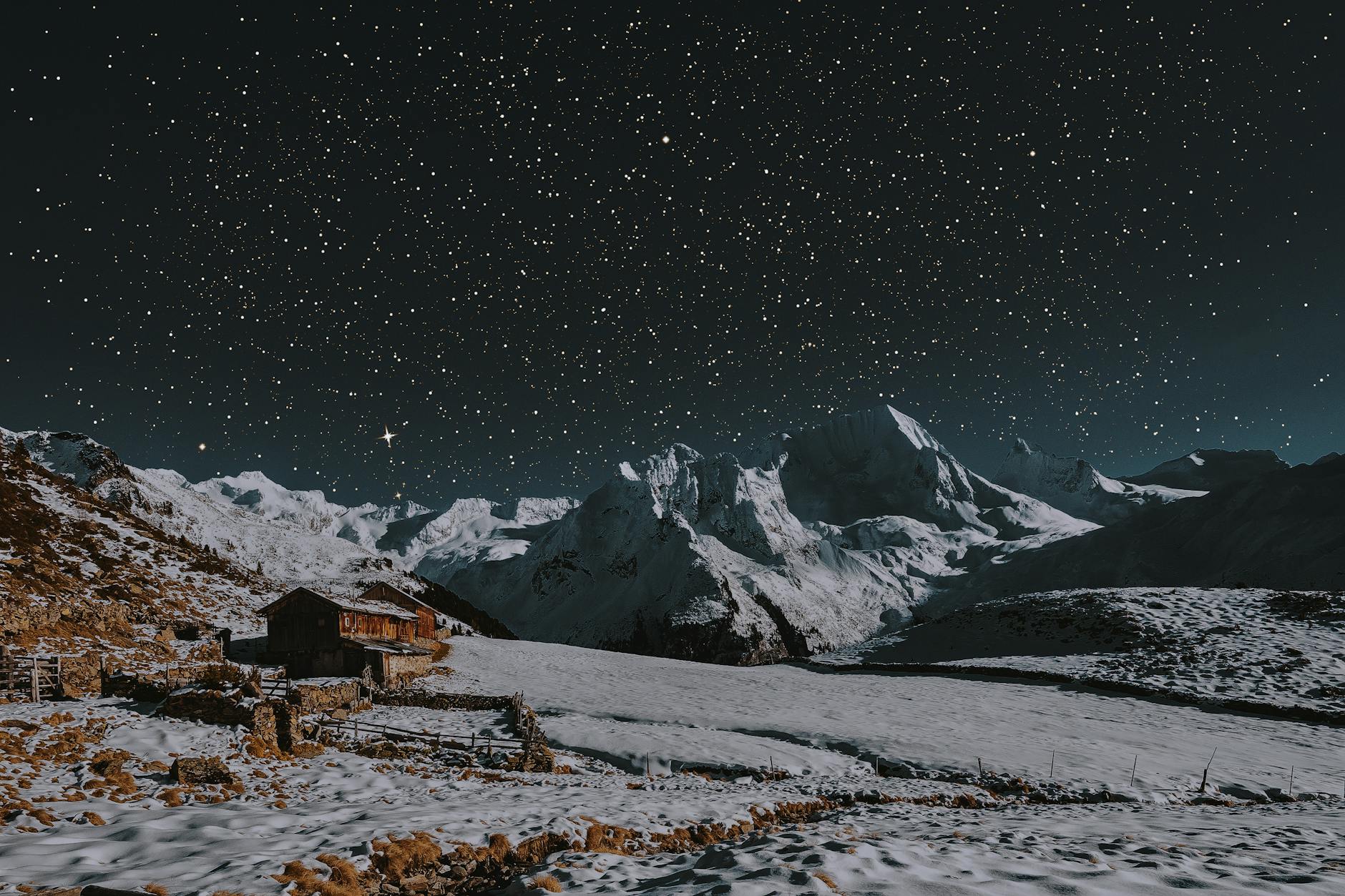
The Ritual of Rest: Embracing Darkness with Intention
The winter solstice has always been a night for ritual, and it doesn’t have to be elaborate. Think of it as a small ceremony of presence:
- Light a series of candles at sunset. Let the flame mark the turning point.
- Share a meal by firelight or lamplight, unplugged from screens or noise.
- Create a moment of family reflection: what are you letting go of this year? What are you calling in for the next?
Set a candle in your window to honor ancestors or travelers. Read aloud from a favorite book or share one quiet memory each.
In this way, the longest night becomes the most meaningful.
Tip: A wrought iron candle stand or candelabra adds rustic weight to this ritual, anchoring the sacredness of the space.

Nature Walks in the Cold and Quiet
In many traditions, walking in nature on the solstice is a way of honoring the earth’s silence, not for exercise, but for connection.
Bundle up and head outside just before dusk or under the stars:
- Walk a slow loop through your land, a nearby path, or even just your backyard.
- Notice the bare branches, the still air, the silence under snow.
- Leave an offering: a bit of cedar, dried herbs, or a piece of bread for the wild things.
Let the natural world show you how to rest without guilt. This is how winter teaches us to just be.

Journaling Under the Moon
The solstice is an ideal time for introspection. With the night sky stretched long, consider setting aside 20–30 minutes to journal beside a candle or under the stars:
- What am I releasing from this year?
- What did the darkness teach me?
- What do I hope to grow come spring?
Use a seasonal guide like this Winter Journaling Prompts collection to go deeper, or begin your own list based on what this season feels like.
Track the moon’s energy using a moon phase calendar to align your reflections with the sky, anchoring you in nature’s time, not society’s clock.

A Solstice Meal to Slow Down
Let your solstice meal reflect the spirit of the season:
- Cook something earthy and grounding: lentil stew, roasted root vegetables, bannock, or fresh-baked bread.
- Use herbs like sage and rosemary for their calming energy.
- Eat slowly, with intention. If you’re alone, say a few words of gratitude out loud. If you’re with loved ones, invite each person to share one thing they’re carrying forward.
End with warm tea, candlelight, and perhaps just a few quiet minutes doing nothing at all.
That’s the medicine of this night.

Honoring the Turning
The winter solstice is not only the darkest night, it’s the moment the light begins to return.
So light a candle. Hold still. Walk slow. Listen inward. And let this gentle holiday remind you:
You are allowed to pause.
You are allowed to rest.
And in the hush of this long night, you are being invited, once again, to begin.
— Jenny

 WILD WEST TOPOS
Leave a comment