
When and how to clean up without overdoing it.
Winter has held the land long enough.
Even if the snow still lingers in shady corners, there’s a restlessness in the soil, and maybe in you, too. The sap is rising. The birds are louder. And your hands are itching to do something with pruners or rake in hand. But in this tender in-between time, when spring isn’t fully here yet, a gentle approach is best.
Let’s talk about how to begin waking your garden with care, one thoughtful cut at a time.

Step One: Know What to Leave Alone (For Now)
Before you get too excited about “cleaning up,” remember that nature wakes slowly. Many beneficial insects, including native bees and ladybugs, are still tucked into last year’s stems and fallen leaves. Cutting or clearing too early can destroy the very helpers your garden needs.
Wait until temperatures are consistently above 50°F for at least a week before removing winter mulch, trimming perennials, or raking leaves out of flower beds. If you must tidy, do it gradually and gently.
A good rule of thumb? If the daffodils are up and the soil is no longer muddy, you’re probably safe to begin light pruning.
Step Two: Start with the Trees and Shrubs
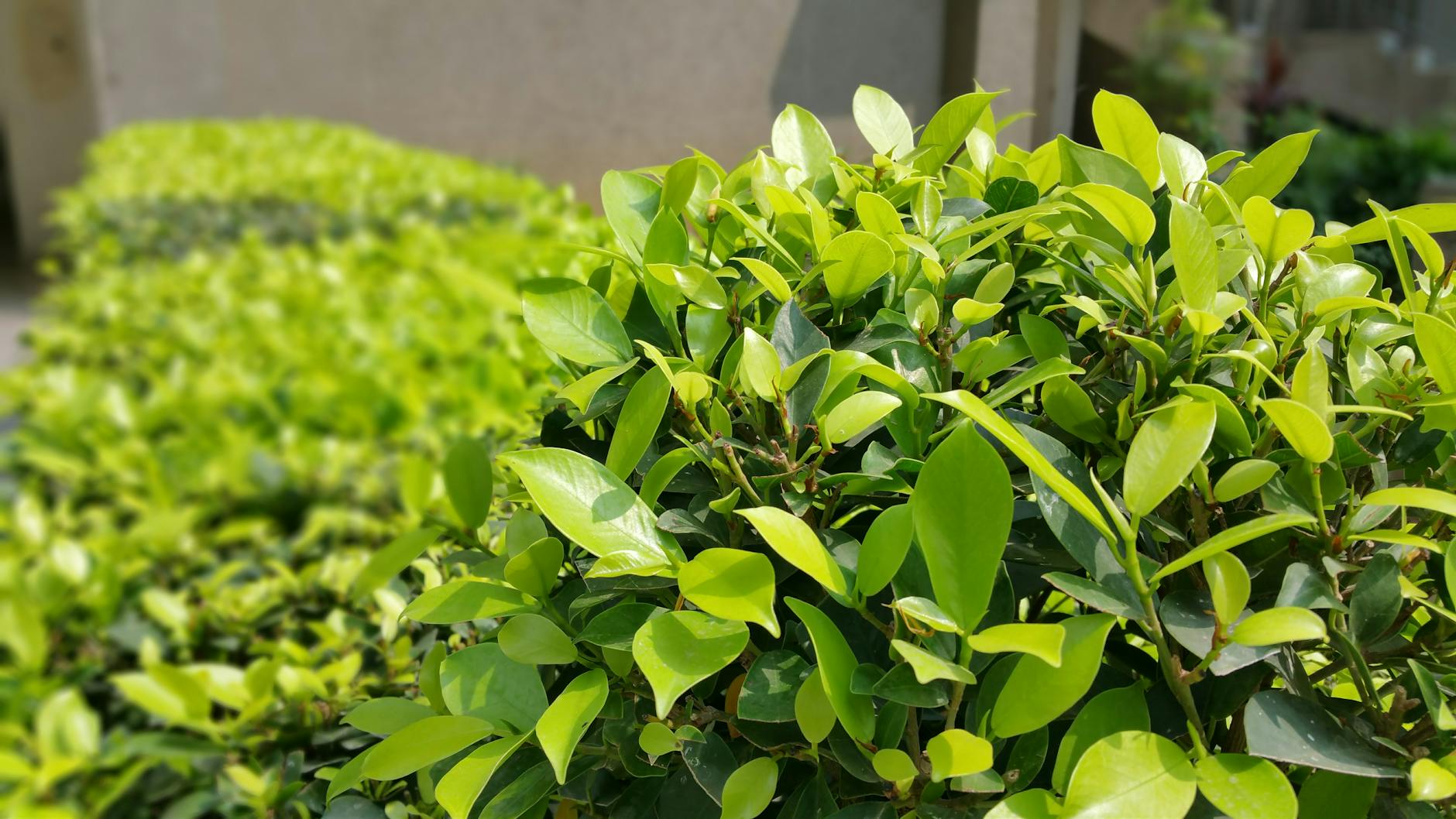
Late winter and early spring are ideal for pruning fruit trees, roses, and woody shrubs—but only the ones that bloom on new growth. For example:
- Prune now: apple, pear, grapevines, butterfly bush, panicle hydrangeas, and roses.
- Wait until after bloom: lilacs, forsythia, azaleas, and other shrubs that bloom on old wood.
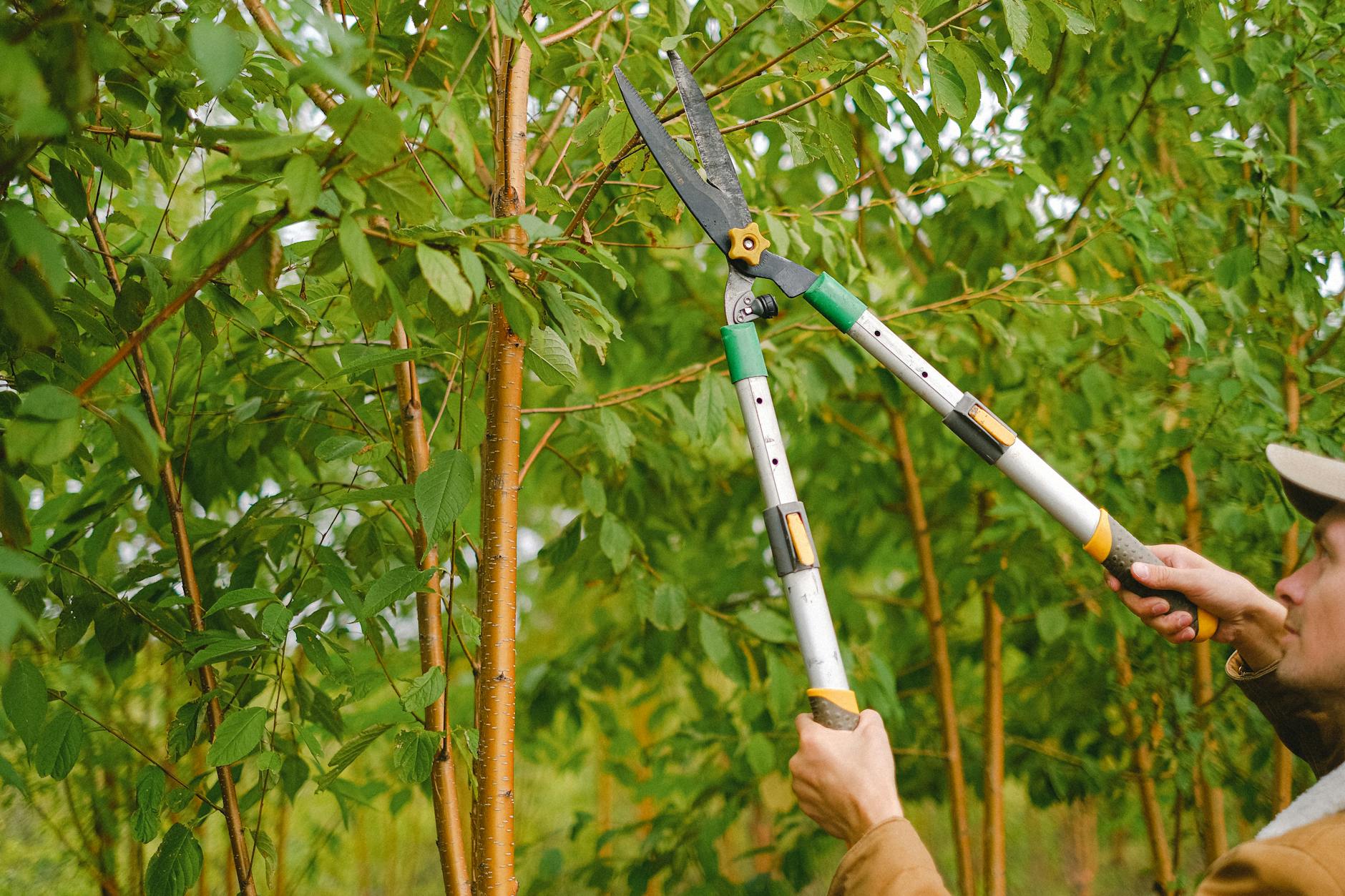
Use sharp, clean bypass pruners to make clean cuts at an angle, just above an outward-facing bud. Remove any crossing branches, winter damage, or inward growth to shape the plant and encourage air circulation.
Step Three: Deadheading & Cutting Back Perennials
As the garden wakes, you’ll start to see signs of life at the base of many perennials, green shoots emerging from last year’s brown stems.
- Grasses and tall perennials like coneflower, bee balm, or yarrow can be cut back to 3–4 inches above ground once you see new growth.
- Leave seed heads on some plants if birds are still feeding from them.
- Don’t compost diseased material, bag and dispose of it instead.
Cut slowly, step back often, and remind yourself: it doesn’t all have to be done in a day.
Step Four: Tidy the Edges
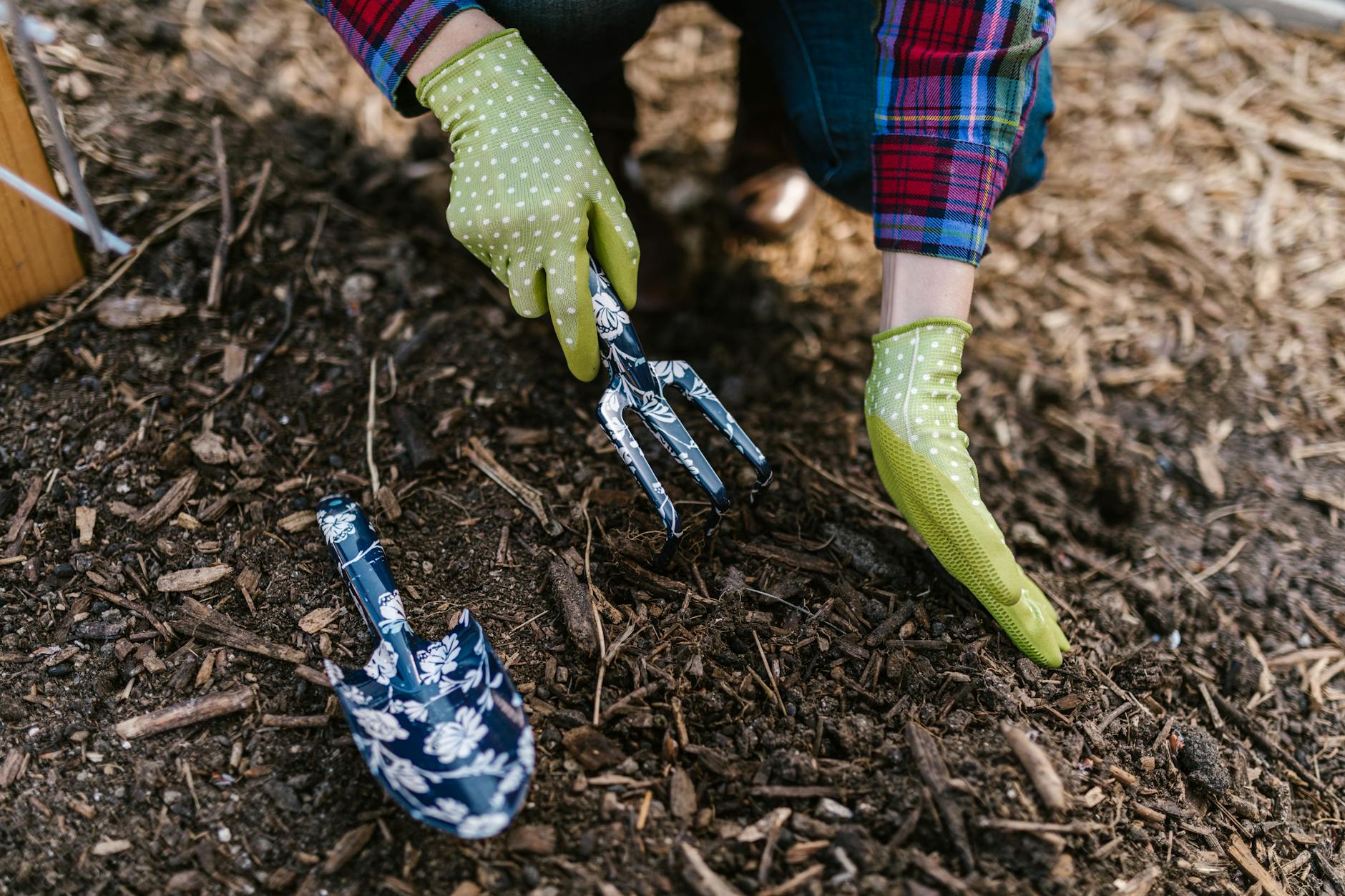
Raking can compact wet soil, so go gently. Use a soft rake or even your gloved hands to clear debris from pathways, raised beds, and stone borders. Edging beds with a spade or half-moon edger helps define space before the growing season bursts forth.
And if you’re using cold frames or row covers, now’s the time to air them out on sunny days.
Tools to Keep Handy
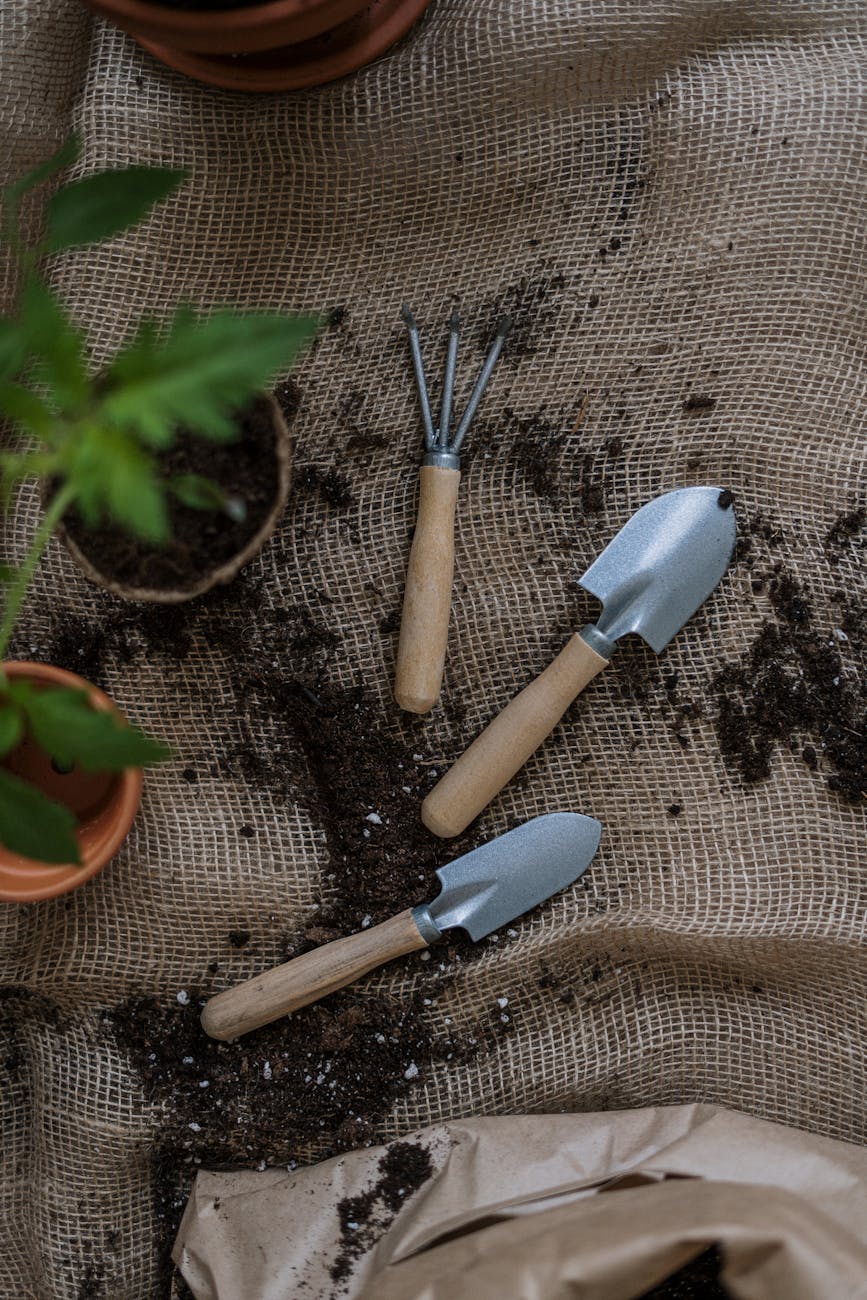
- Bypass pruners (well-oiled)
- Folding garden saw for larger limbs
- Soft rake or shrub rake
- Wheelbarrow for hauling trimmings
- Cotton gloves and knee pads
- A garden journal to note what’s waking up and when
Optional but lovely: a thermos of tea and a little basket for gathering forgotten treasures (a dropped tool, a bit of moss, a feather in the leaves).

A Prayer for the First Cut
There’s a quiet reverence in these first cuts. A whisper of cooperation between the gardener and the growing world. You are not forcing the season—you are listening, responding, and offering your presence.
Let your pruning be a kind of prayer: “Here I am again, Lord, ready to tend what’s been sleeping.”
Spring will do her part. And so will you.

 WILD WEST TOPOS
Leave a comment