
Lunar gardening, Three Sisters tradition, and how planting time becomes family time.
There was a time when every planting decision began with the sky.
Before almanacs and apps, before weather stations or seed packet instructions, there was the moon and those who watched her closely.
She told us when to sow, when to transplant, and when to let the soil rest. Her phases held rhythm and reason. And for those living close to the land, planting by the moon wasn’t superstition, it was wisdom.

Why the Moon Matters
Lunar gardening is built on the idea that the moon affects moisture in the soil, just as it does the tides. According to this practice:
- Waxing moon (new to full): Ideal for planting crops that grow above ground: leafy greens, corn, beans, tomatoes.
- Waning moon (full to new): Best for root crops (carrots, beets, onions) as well as pruning, weeding, and harvesting.
- New moon & full moon: Times of energetic shifts: good for starting seeds or transplanting.
Whether or not you follow this tradition strictly, there’s something beautiful in pausing to align your hands with the heavens.

The Three Sisters: Earthbound Wisdom
Some of the most time-tested planting wisdom comes from Indigenous agricultural traditions, especially the Three Sisters method:
- Corn grows tall, offering a natural pole.
- Beans climb the corn, enriching the soil with nitrogen.
- Squash sprawls along the ground, shading weeds and retaining moisture.
This trio doesn’t just coexist; it thrives together, each supporting the others. When planted by the moon, many believe their success multiplies.
Consider adding a small Three Sisters patch to your garden this year. It’s not just practical, it’s deeply symbolic of interdependence, provision, and harmony.
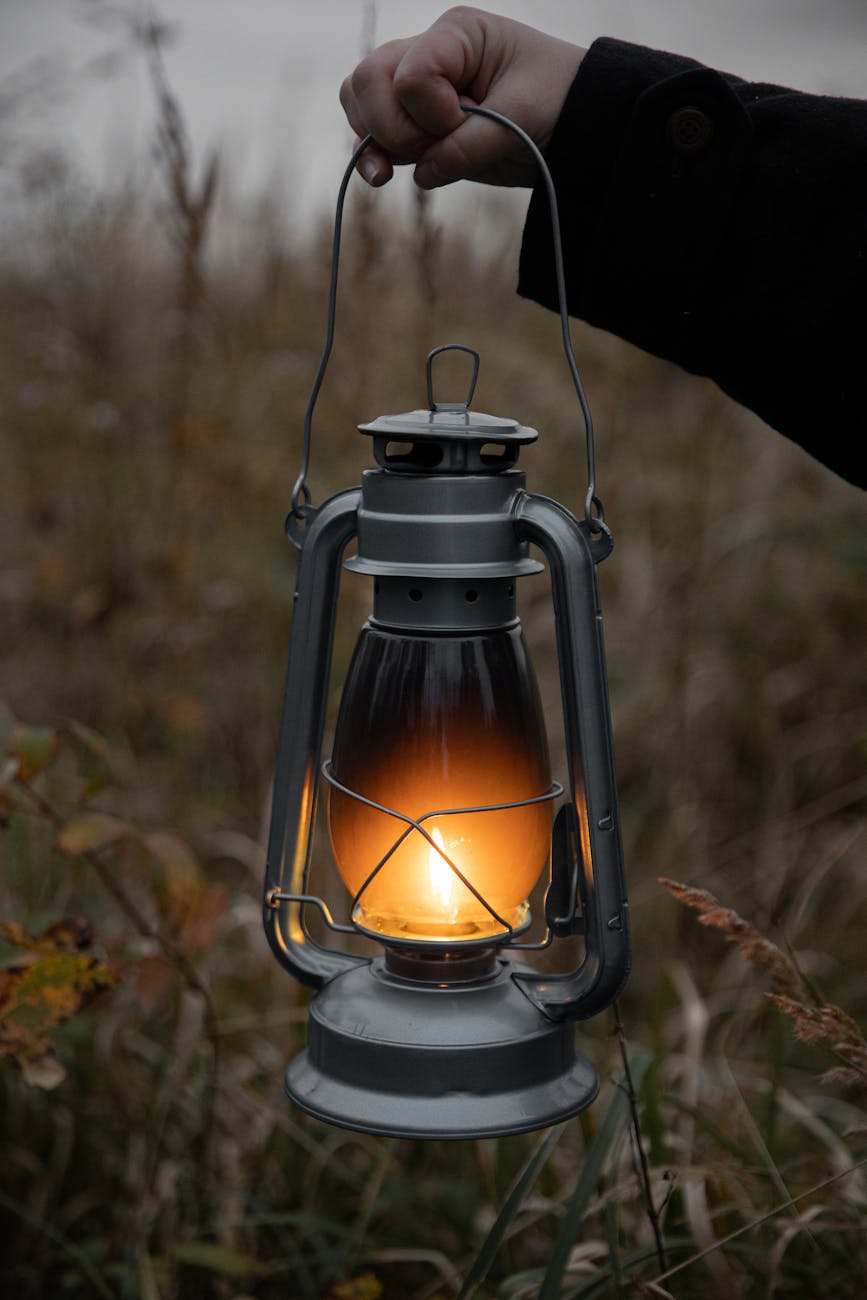
Folklore and Planting Songs
Throughout the world, planting has been marked with song, rhyme, and story; rituals passed from mother to daughter, grandfather to grandson.
- “Plant potatoes when the moon is dark, and they’ll grow strong.”
- “If you sow your peas on a waxing moon, you’ll fill your pot before summer.”
- “Marigolds near the beans keep the beetles at bay.”
Whether true or not, these old sayings were ways of remembering, of honoring, and of connecting generations through the garden.
Create your own traditions. Sing as you sow. Make up silly rhymes with your kids. Let planting be music, not just work.
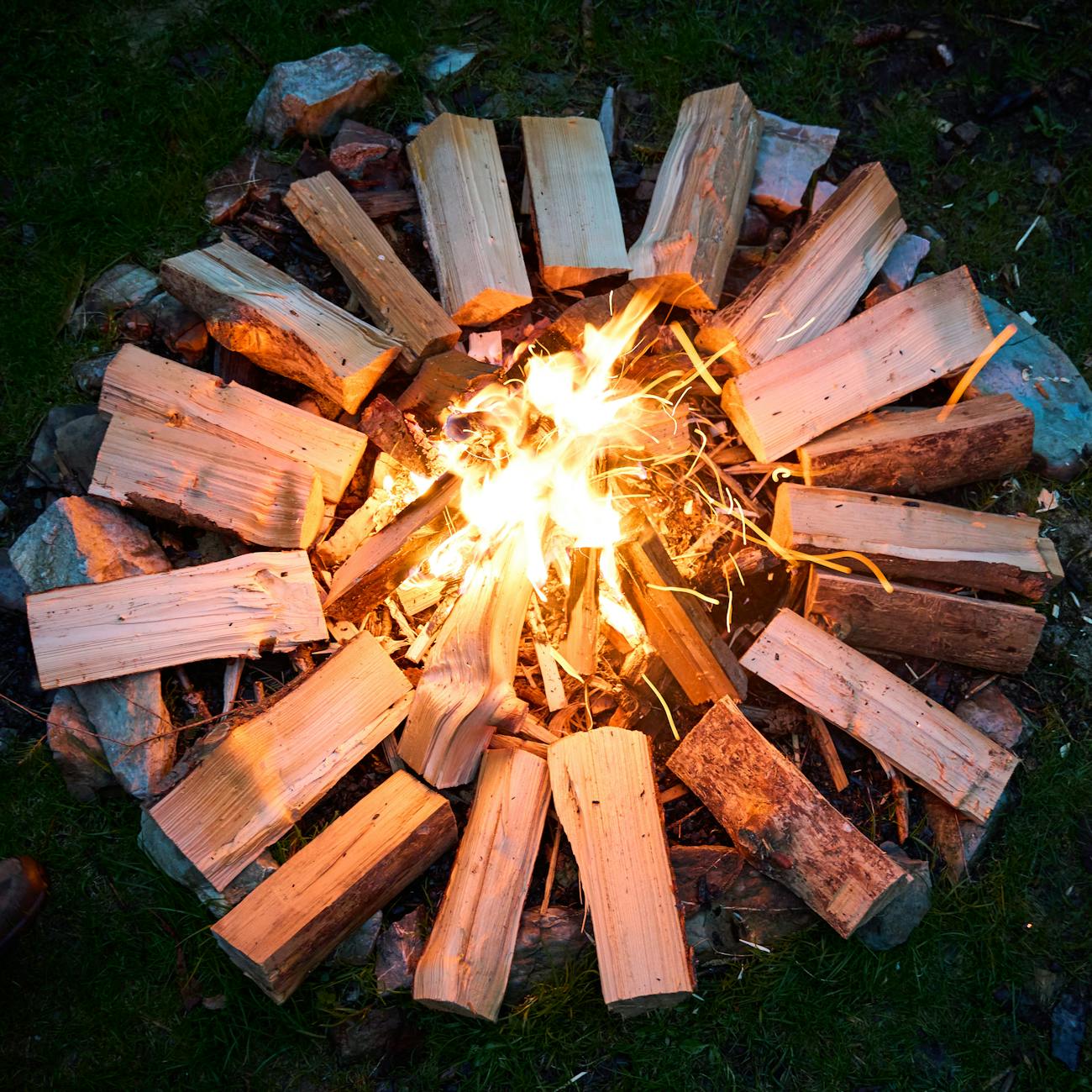
Evening Story Circles in the Garden
After a day of digging, planting, and watering, pause.
As the sun lowers and the garden hums with dusk, gather your people. Bring out a blanket or sit on overturned buckets. Let everyone share one thing:
- What they saw today (a ladybug, a sprout, a cloud shaped like a horse).
- What they hope will grow.
- A story from a grandparent.
- A silly song about worms.
- A prayer for the seeds.
Let this be your end-of-day garden ritual. Planting by the moon isn’t only about results. It’s about rhythm, presence, and memory.

A Garden Guided by Moonlight
Whether you’re a lunar devotee or simply a curious beginner, there’s value in looking up before you look down.
Try it this season. Watch the moon. Plant with intention. Sing as you go.
And know that some of the richest harvests aren’t grown in soil, they’re rooted in the stories and traditions we tend together.
Love, Jenny

 WILD WEST TOPOS
Leave a comment